

Affiliate Disclosure – This post may contain affiliate links, which means I may earn a small commission if you make a purchase through one of my links, at no extra cost to you.
If you’ve ever wanted to start a junk journal but felt weirdly stuck, you’re not alone. Most people don’t fail because they lack creativity. They get stuck trying to do it “right.” Junk journaling is not about perfect spreads, curated supplies, or aesthetic pressure. It’s about using what you have, letting go of rules, and creating something that feels personal and freeing. By the end of this, you’ll know exactly how to start without overthinking a single step.
What a Junk Journal Actually Is (and What It Is Not)
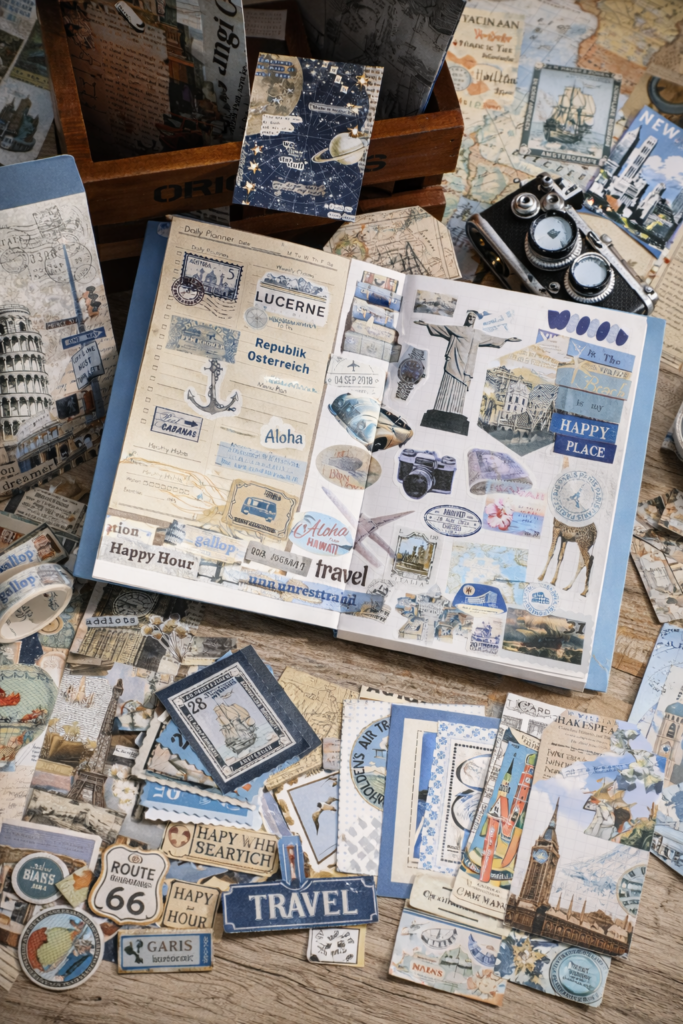
A junk journal is not a scrapbook you have to plan weeks in advance, and it is definitely not a polished art book meant to impress anyone. It is a creative space made from everyday paper, scraps, memories, and textures that would normally get tossed. The beauty of junk journal spreads is that they are layered, imperfect, and a little chaotic on purpose. This is where messy journal aesthetic shines because it gives you permission to experiment without rules. If you can glue paper to a page, you can make a junk journal.
What it is:
- A place to layer paper, textures, words, and memories
- A creative outlet that feels relaxed and intuitive
- A mix of journal crafts, collage, and visual storytelling
What it is not:
- A perfection project
- A comparison game
- A “finish it fast” hobby
Shop the Look


Choosing Your Journal Base Without Getting Stuck

This is where most people spiral, so let’s shut that down early. Your junk journal base does not need to be special, aesthetic, or expensive. It just needs to exist and be something you are willing to mess up. Thick pages are nice, but thin pages work too and actually add character once you start layering. The best journal is the one that removes pressure and makes you want to start flipping pages instead of researching options for three days.
If you are a beginner, avoid anything that feels “too nice.” That hesitation usually kills momentum. A simple notebook, an old planner, or even a thrifted book gives you freedom because there is nothing to protect.
Good options that work well:
- Hardcover notebooks that can handle bulk
- Old planners or bullet journals you never finished
- Thrifted books with sturdy spines
- Simple sketchbooks or composition notebooks
Shop the Look


Supplies You Already Have That Work Perfectly
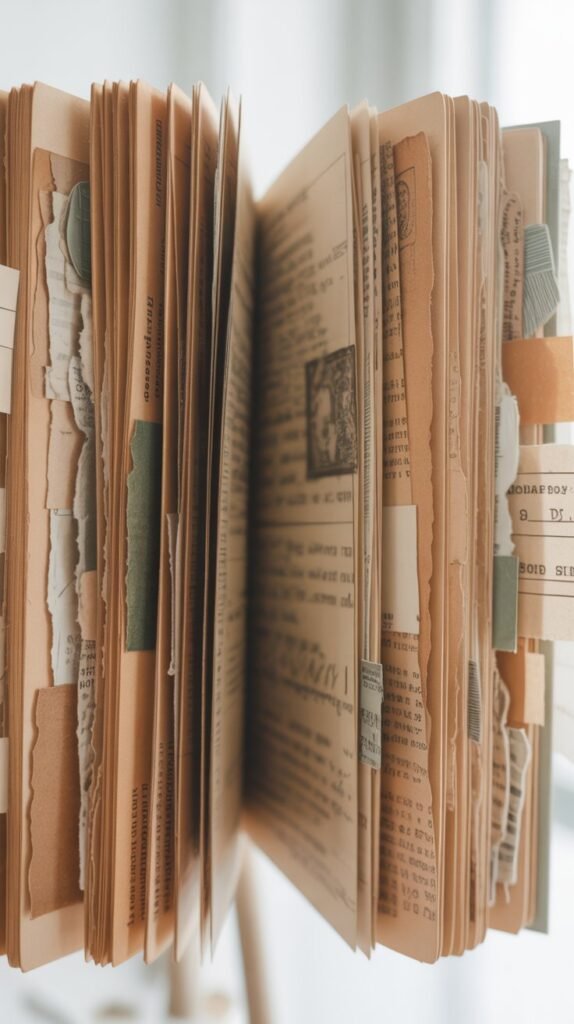
You do not need a craft haul to start a junk journal. In fact, some of the best junk journal ideas come from things you already touch every day. Paper with a story will always feel more interesting than something straight out of a package. This is where journal crafts start to feel personal, layered, and a little nostalgic. Once you start looking at everyday items differently, you’ll realize junk journaling is everywhere.
Look around your home and start a small “maybe pile.” Almost anything flat can become part of a spread.
Everyday items that work beautifully:
- Receipts, tags, and packaging
- Old greeting cards or envelopes
- Magazine pages and book pages
- Wrapping paper, tissue paper, and scraps
Shop the Look
Creating Your First Junk Journal Spread (Step by Step)
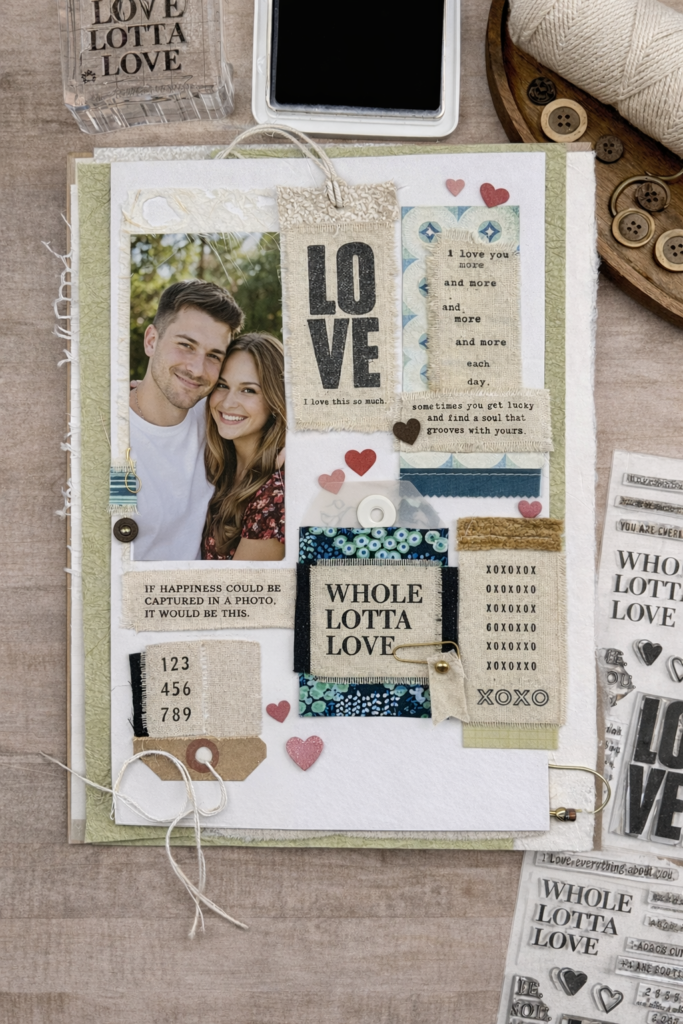
This is the moment where most people freeze, so let’s keep it simple and intentional. Your first junk journal spread is not meant to be impressive. It is meant to get glue on your fingers and paper on the page. Once you finish one spread, the fear disappears. Think in layers, not layouts.
Step-by-Step Instructions
- Choose your base papers
Pick two or three pieces of paper. One should be larger and act as the background, while the others add contrast. Scrap paper, book pages, or packaging work perfectly. - Glue down the largest piece first
This anchors the spread. Don’t worry about straight lines. Crooked edges add to the messy journal aesthetic. - Layer smaller pieces on top
Overlap edges slightly and vary textures. Thin paper, thicker cardstock, and soft tissue paper create visual depth. - Add one focal element
This could be a sticker, photo, tag, or small illustration. Keep it simple. One focal point is enough. - Finish with light details
Add handwriting, stamps, or tiny scraps to fill empty spaces without crowding the page.
Pro Tips
- Odd numbers feel more natural than even ones
- Tearing paper adds softness and movement
- Leave some space blank so the page can breathe
Shop the Look

Embracing the Messy Journal Aesthetic
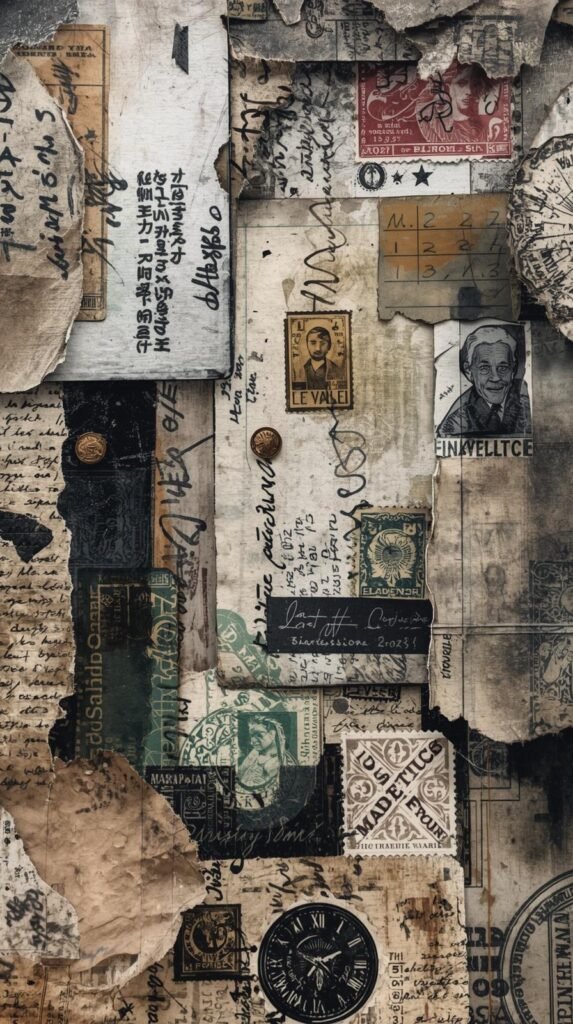
This is where junk journaling really clicks. A messy journal aesthetic is not careless. It is expressive, layered, and intentionally imperfect. When pages are slightly crooked, overstuffed, or uneven, they feel alive instead of staged. The more you loosen your grip on “pretty,” the more your journal starts to look like something you actually want to keep flipping through.
Messy does not mean chaotic. It means letting materials overlap, letting textures show, and allowing mistakes to become part of the design.
Ways to lean into the messy look:
- Tear paper instead of cutting it
- Let ink smudge and overlap
- Layer without symmetry or alignment
- Allow pages to bulk and warp naturally
Pro Tips
- Use your non-dominant hand for handwriting if perfection creeps in
- Ink around edges to add depth quickly
- Stop one step earlier than you think you need to
Shop the Look

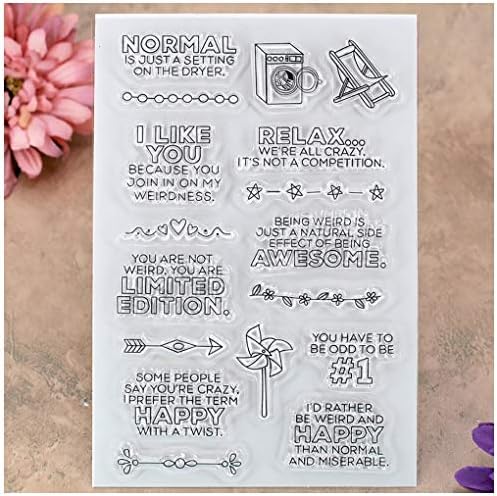

Junk Journal Ideas for When You Feel Stuck
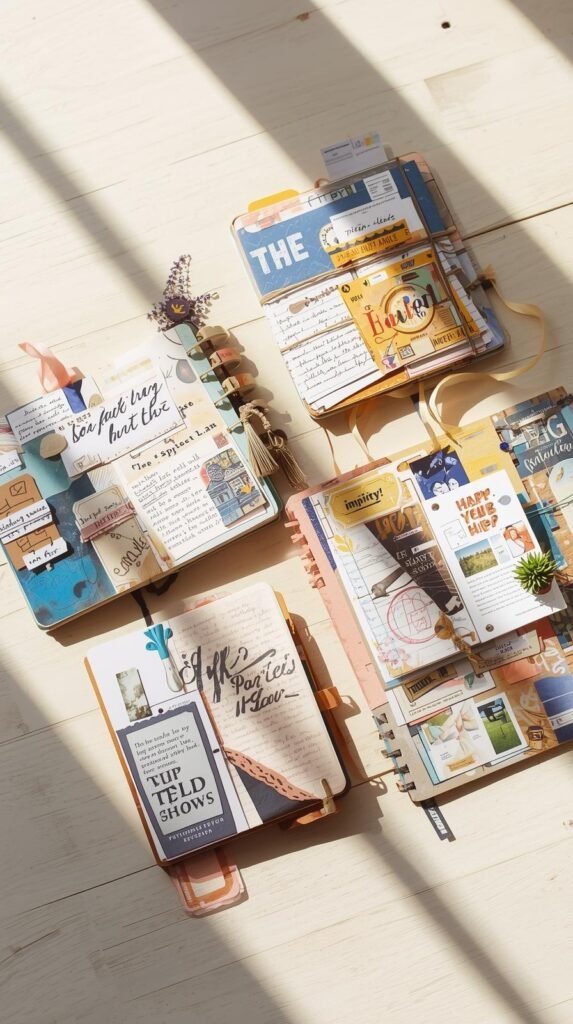
Creative blocks happen, even in something as relaxed as junk journaling. When your brain goes blank, prompts are your best friend. They give you just enough direction without boxing you in. These junk journal ideas are meant to spark movement, not perfection. Pick one, commit to a single spread, and stop thinking past that page.
Easy prompts that work every time:
- Color-based spread: Choose one color and build the page using only shades of it
- Memory spread: One small moment from your day, written messy and honest
- Texture-only spread: Focus on layers like tissue paper, fabric scraps, and cardboard
- Word-led spread: Start with a single word or quote and build around it
Pro Tips
- Set a 10-minute timer and stop when it ends
- Choose constraints to reduce decision fatigue
- Finish the spread even if you do not love it
Shop the Look


Travel Junk Journals That Tell a Story
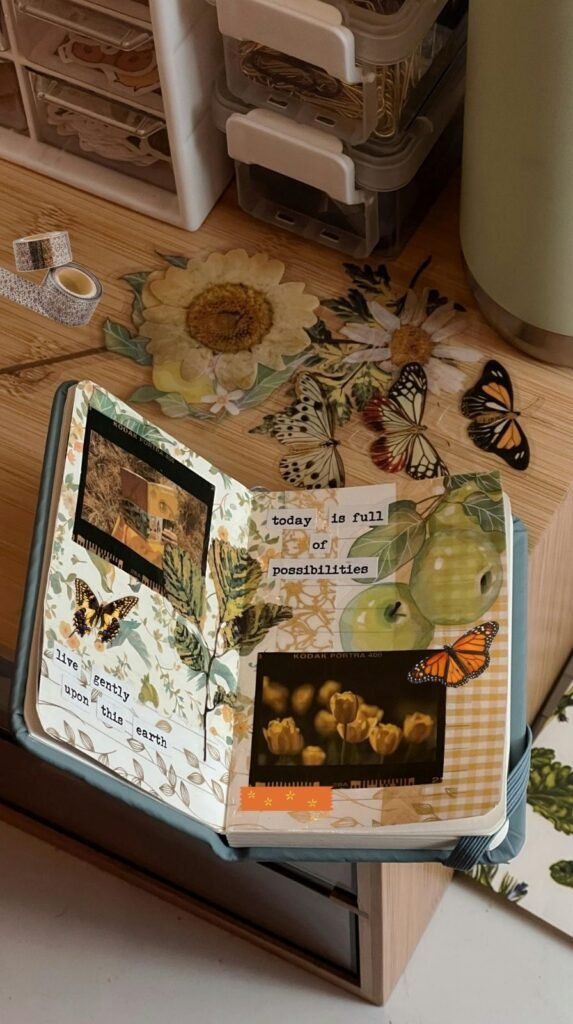
A travel junk journal is one of the easiest and most meaningful ways to document memories without pressure. You are not trying to recap every detail of a trip. You are capturing feelings, textures, and moments as they happen. Tickets, maps, coffee sleeves, and handwritten notes instantly turn into storytelling layers. This is where junk journaling feels effortless because the memories do the work for you.
The key is to journal as you go, not after you get home. Messy notes and taped-in scraps feel more authentic than anything recreated later.
Ways to build a travel junk journal:
- Tape in tickets, maps, or brochures the same day
- Write quick thoughts instead of full paragraphs
- Add dates, locations, or weather notes for context
Pro Tips
- Carry a small journal or insert while traveling
- Use washi tape so pages stay flexible
- Do not worry about chronological order
Shop the Look
Storing and Organizing Junk Journal Supplies Without Killing the Vibe
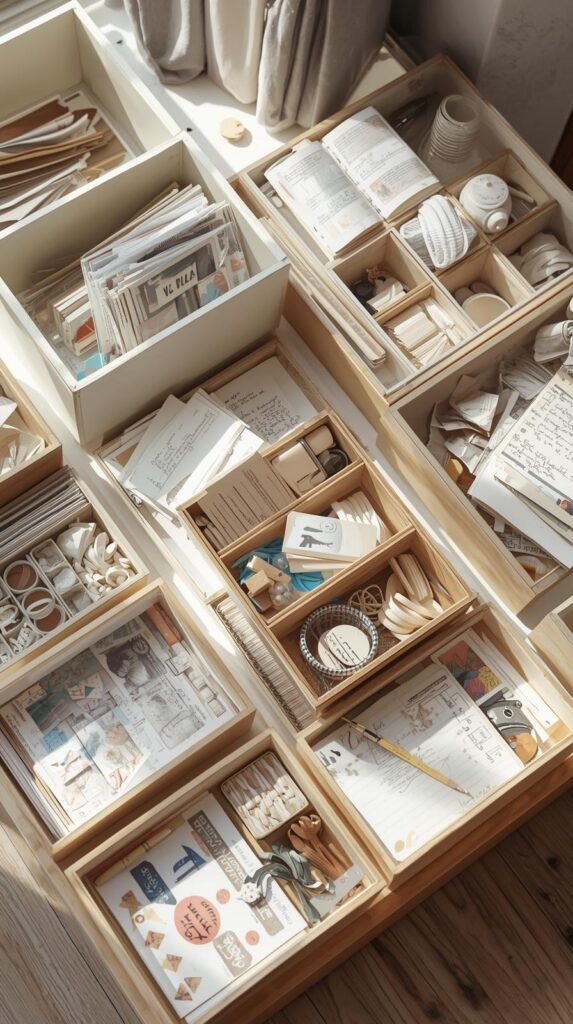
If your supplies are buried in a closet, you will not use them. Junk journaling thrives on visibility and ease. The goal is not perfect organization. It is access. When supplies are easy to grab, creativity happens faster and with less resistance. Think open, flexible, and slightly imperfect.
Avoid systems that require constant upkeep. Simple containers you can toss things into will always win.
Simple storage ideas that work:
- Open bins or trays for paper and scraps
- Accordion folders for ephemera
- Desktop caddies for tools you use daily
- One small grab-and-go kit for quick spreads
Pro Tips
- Organize by type, not color
- Keep your favorites within arm’s reach
- Let supplies overflow a little on purpose
Shop the Look
Common Beginner Mistakes (and How to Avoid Them)
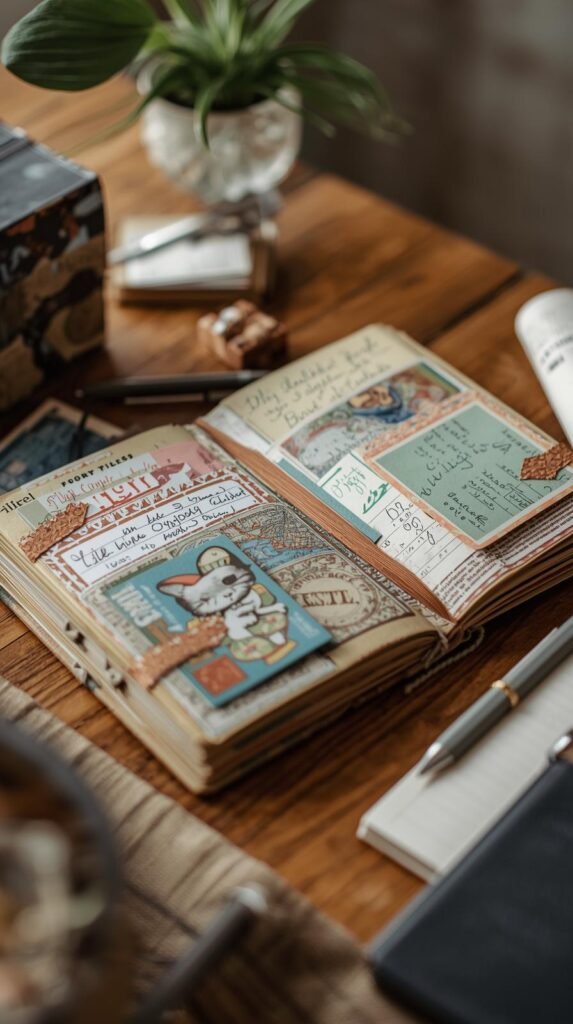
Almost every beginner thinks they are doing junk journaling wrong at some point. The truth is, most “mistakes” are just creativity trying to stretch. These doubts are normal, and none of them mean you should stop. Once you recognize them for what they are, they lose their power.
“My journal looks too messy.”
Messy is the point. Junk journal spreads are meant to feel layered and lived-in, not polished or symmetrical.
“I don’t have enough supplies.”
You already do. If you have paper, glue, and something to cut, you can keep going.
“I messed up this page.”
There are no ruined pages. Cover it, layer over it, or turn it into a pocket. Every mistake is just another design decision.
Pro Tips
- Stop scrolling for inspiration once you start
- Finish the page even if you dislike it
- Flip back later. Your opinion will change
Just Start, Then Let It Evolve
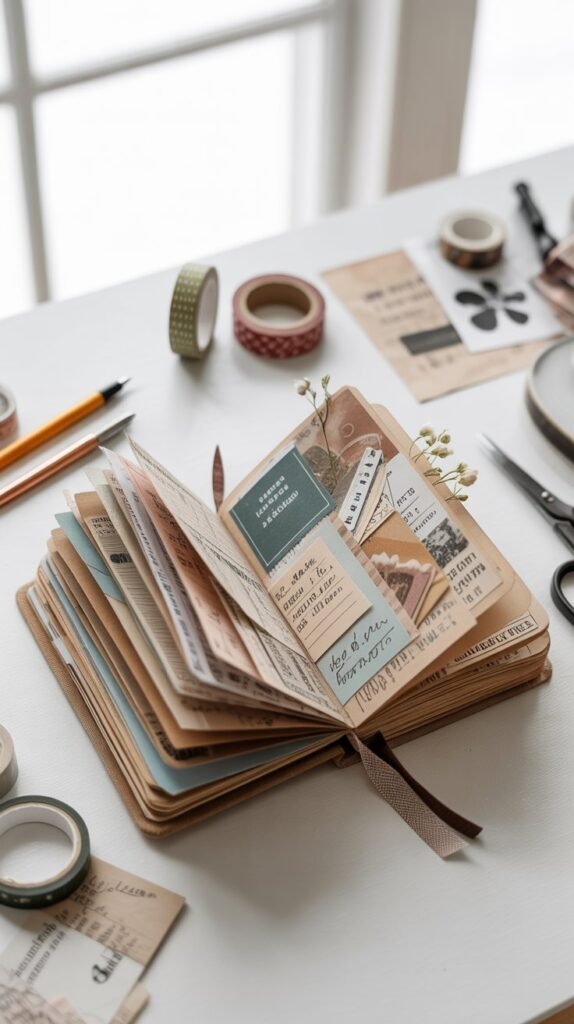
Starting a junk journal is less about creativity and more about permission. Permission to be messy, to experiment, and to create without an end goal. You do not need better supplies, a clearer vision, or more time. You need one open page and the willingness to begin. The more you show up, the more your style will naturally take shape, and that is where the real magic happens.
If you loved this creative reset, you might also enjoy exploring more easy, calming DIY projects that help you reconnect with creativity inside your home. Head over to Room Revival Studio and check out Beginner-Friendly DIY Crafts That Feel Relaxing, Not Stressful for even more inspiration you can actually stick with.

Pingback: Everything You Need To Know About Crochet