Affilicate Disclosure – This post may contain affiliate links. If you purchase through my links, I may earn a small commission at no extra cost to you.
Pets bring life into your home, but let’s be honest, smells come with the territory. If your house still smells off even after cleaning, you’re not doing anything wrong. Most products just cover odors instead of removing them. This guide breaks down how to remove pet odor at the source, not mask it, using proven methods that actually work on carpet, upholstery, wood floors, pet beds, and pet urine smells.
Why Pet Smells Linger (And Why Most Fixes Fail)
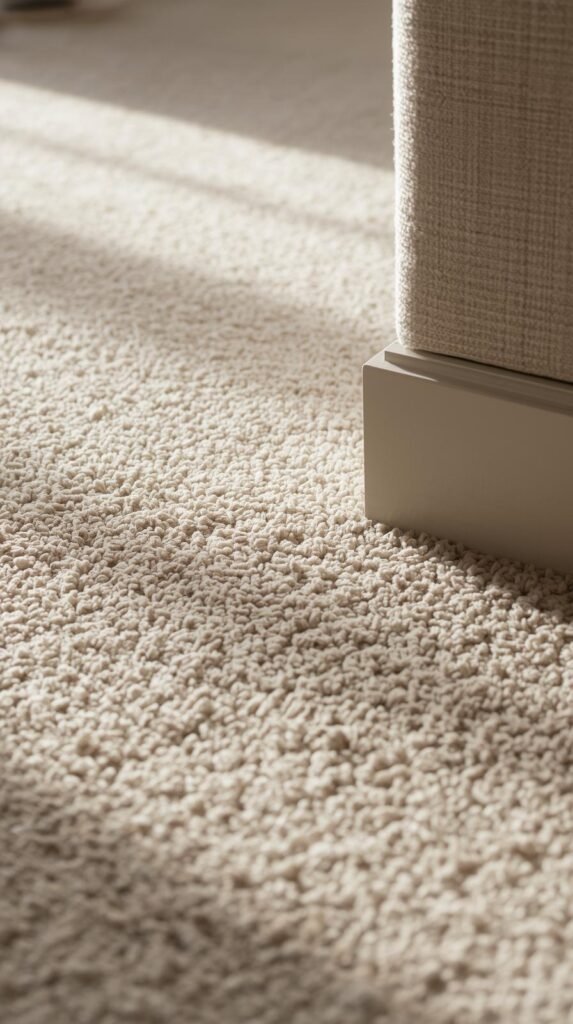
Pet odors stick around because they don’t sit on the surface. They sink into fibers, padding, seams, and porous materials like carpet backing and wood. Urine is the biggest offender because it crystallizes as it dries, then reactivates with humidity or heat, which is why smells seem to “come back” out of nowhere. Sprays and scented cleaners only hit the air, not the embedded odor compounds causing the problem.
To truly remove pet odor, you need products that break down odor-causing proteins, not just cover them. Enzyme-based solutions work by digesting those compounds so they cannot re-release smells later. If you skip this step, you’re stuck in a loop of cleaning, spraying, and wondering why nothing sticks.
Shop the Look
- Enzyme Pet Odor Cleaner
- UV Urine Detection Light
- Activated Charcoal Odor Absorber
- Pet-Safe Odor Neutralizing Spray

- Certified Gentle & Safe Pet Carpet Cleaner Solution: Chlorine free, color safe, no hazardous propellants or residue; saf…
- Pet Enzyme Carpet Cleaner for Stains, Odors, Residue: If it’s gross, it’s gone; the stain and the stink; from stinky yel…
- Cat & Dog Urine Enzyme Cleaner for Every Surface, Every Time: For use on carpets, floors, furniture, clothing, litter bo…
How To Remove Pet Odor From Carpet for Good
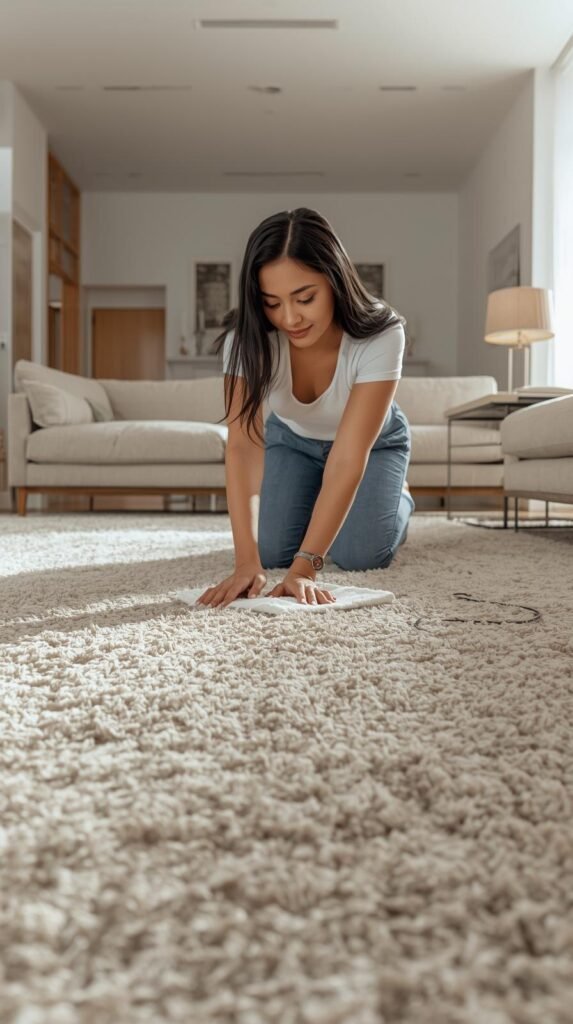
Pet odors don’t sit on the surface of carpet. They sink through the fibers into the padding underneath, which is why quick sprays and surface cleaning never last. To truly remove pet odor, you have to reach the source and neutralize it completely.
Step-by-Step Instructions
- Locate the exact odor source
Get down to floor level and smell slowly across the carpet, or use a UV light in a darkened room to identify old urine spots you can’t see. Missing even one area can keep the entire room smelling off. - Blot excess moisture
If the spot is damp or recently soiled, blot with absorbent towels to remove moisture. Do not scrub. Scrubbing pushes odor deeper into the carpet fibers and padding. - Saturate the area with an enzyme cleaner
Apply an enzyme-based carpet cleaner generously so it penetrates through the carpet fibers and into the padding. Light misting will not work. The product must reach the depth where odor compounds are trapped. - Allow proper dwell time
Let the enzyme cleaner sit for the full amount of time listed on the product instructions, usually several hours. This step is critical because enzymes need time to break down odor-causing proteins. - Air dry completely
Allow the carpet to air dry naturally. Avoid fans or heat during this stage, as they can interrupt the enzyme process and cause odors to resurface later. - Check for remaining odor
Once the carpet is fully dry, smell the area again. If any odor remains, repeat the enzyme treatment. Persistent smells often mean the padding is contaminated. - Deep clean if needed
For heavy or recurring odors, use a carpet extractor after enzyme treatment to pull residue from the fibers. If odors continue to return, replacing the affected padding may be the only long-term solution.
Shop the Look
- Enzyme Carpet Cleaner for Pet Odors
- Carpet Cleaning Extractor Machine
- Pet Odor Baking Soda Deodorizer
- Pet-Safe Carpet Freshening Spray


Removing Pet Smells from Upholstery and Fabric
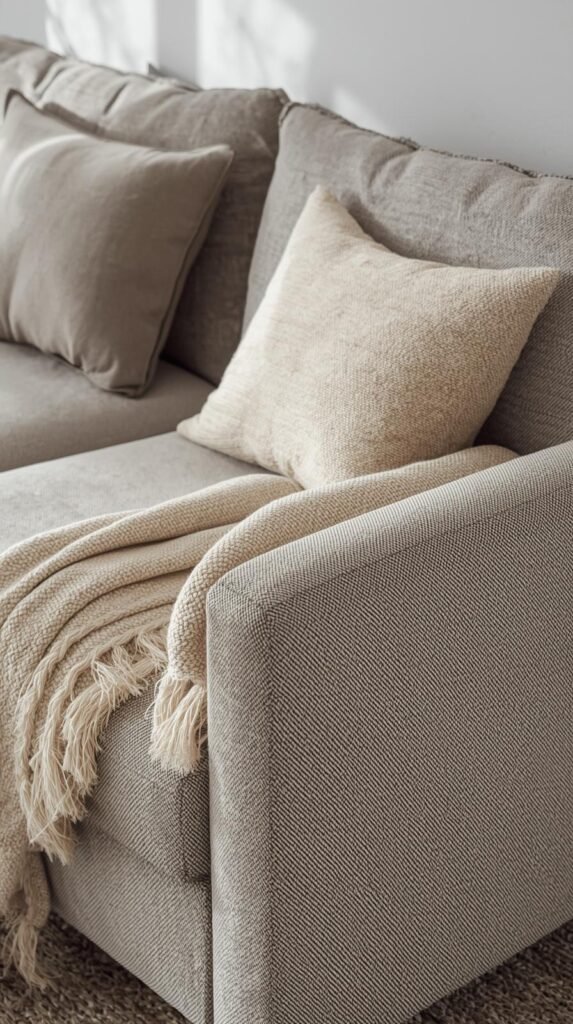
Upholstery quietly absorbs pet odor from daily contact, body oils, dander, and occasional accidents. Because fabric traps smell below the surface, quick sprays rarely solve the problem. To remove pet odors from upholstery effectively, you need to treat both the fabric and what’s underneath it.
Step-by-Step Instructions
- Identify the affected areas
Focus on cushions, armrests, seat backs, throw pillows, curtains, and anywhere pets regularly sit or rub. Odor is often concentrated where fabric is touched most often. - Check the fabric type first
Look for care tags to confirm whether the fabric is washable, water-safe, or requires low moisture. Most performance fabrics, microfiber, and cotton blends respond well to enzyme cleaners when used correctly. - Apply an enzyme spray generously
Lightly misting will not work. Apply enough enzyme cleaner to penetrate the fabric so it reaches the odor source beneath the surface. Pay extra attention to seams and cushion edges. - Treat cushion interiors if needed
If odors persist, remove cushion covers and spray the foam insert directly with an enzyme cleaner. Allow the foam to air dry completely before replacing the cover. - Allow full dwell time
Let the enzyme cleaner sit for the time recommended on the label. This allows enzymes to break down odor-causing proteins instead of just masking them. - Air dry naturally
Avoid heat while the enzymes are working. Do not steam or use a hair dryer at this stage, as heat can lock odors into fabric. - Use steam only as a finishing step
Once odors are fully neutralized and the fabric is dry, a handheld steamer can help refresh fibers and lift remaining residue. Steam alone does not remove pet odor and should never replace enzyme treatment.
Shop the Look
- Upholstery-Safe Enzyme Spray
- Pet Odor Fabric Refresher
- Handheld Fabric Steamer
- Absorbent Microfiber Cleaning Cloths
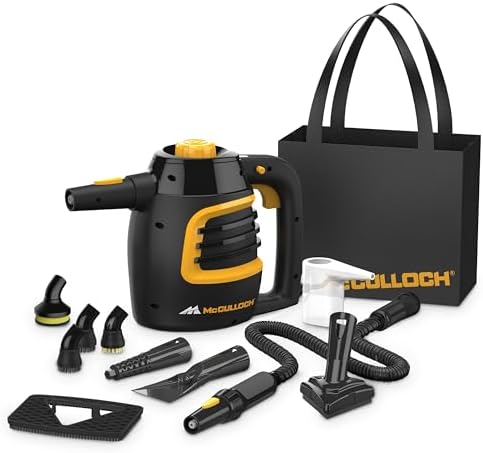
- QUICK HEAT-UP TIME — The 6-ounce, direct-fill water tank heats up in under 3 minutes and provides up to 10 minutes of st…
- 11 VERSATILE ACCESSORIES — Equipped for steam cleaning jobs in and around your home including a scraper, scrub pad, jet …
- DETAILING-ORIENTED — Experience personal car detailing at home with the MC1230. Its powerful steam technology, versatile…
How To Remove Dog Smell from the Whole House
When your home smells like dog overall, the odor isn’t coming from one surface. It’s circulating through air, fabrics, and overlooked areas. Removing dog smell from the house requires treating the air and the materials holding onto odor.
Step-by-Step Instructions
- Start with air circulation
Open windows when possible and let fresh air move through the space. Stagnant air traps odor and spreads it room to room. - Replace or upgrade HVAC filters
Swap out old filters and choose a high-quality option designed to trap pet dander and odor particles. Dirty filters re-release smells every time the system runs. - Target soft surfaces throughout the home
Wash or treat rugs, throws, curtains, and upholstered furniture using enzyme-based products. Even if one room smells worse, odor often lives in nearby fabrics. - Neutralize odor in the air, not just the room
Use odor absorbers like activated charcoal or run a HEPA air purifier to physically remove odor particles instead of covering them with fragrance. - Clean pet-heavy zones first
Focus on areas where pets spend the most time, such as near beds, feeding stations, entryways, and favorite lounging spots. These areas quietly fuel whole-house odor. - Wipe down walls and baseboards
Pets brushing against walls and repeated contact can leave odor residue. Use a pet-safe enzyme cleaner and allow surfaces to dry completely. - Reassess after 24 hours
Once air circulation and surface treatments are complete, smell the space again the next day. Persistent odor usually points to a missed fabric or hidden zone that needs attention.
Shop the Look
- HEPA Air Purifier for Pet Odors
- Activated Charcoal Odor Absorbing Bags
- HVAC Vent Odor Neutralizer
- Pet-Safe Room Odor Neutralizer

- WHY CHOOSE AHAM VERIFIDE AIR PURIFIERS: AHAM (Association of Home Appliance Manufacturers) is an ANSI-accredited organiz…
- HIGH-PERFORMANCE AIR PURIFICATION: Powerful 56W High-Torque Motor paired with a 143 CFM CADR ensures fast, effective air…
- AHAM VERIFIDE FOR PROVEN PERFORMANCE: The Core 300-P is AHAM VERIFIDE with CADR (Clean Air Delivery Rate) ratings of 143…
Pet Urine Smell: How To Actually Eliminate It
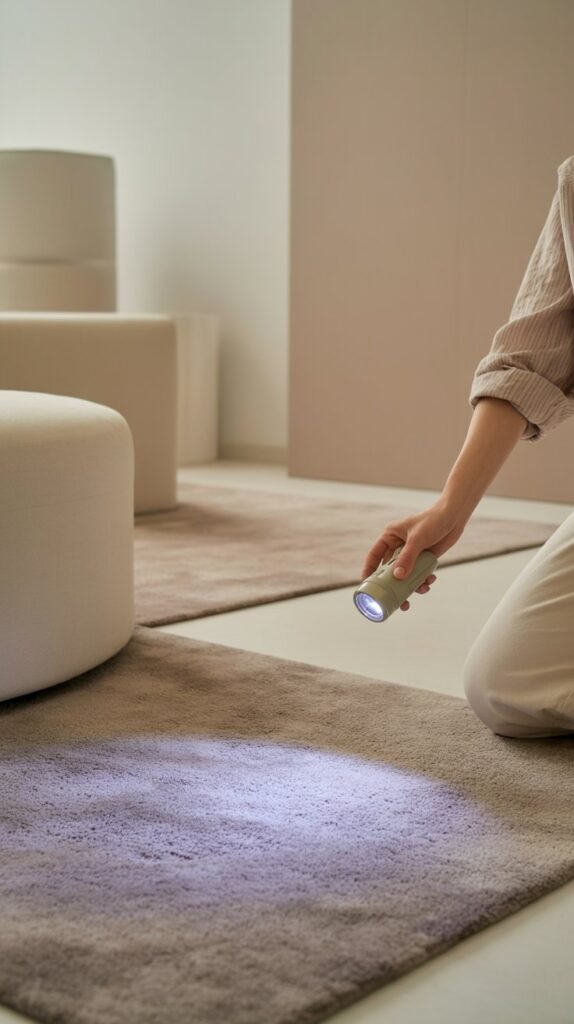
Pet urine is the toughest odor to remove because it changes chemically as it dries. Once it crystallizes, it reactivates with humidity and heat, which is why the smell keeps coming back. To eliminate pet urine odor for good, every step matters.
Step-by-Step Instructions
- Locate all urine-affected areas
Use your nose close to the floor or a UV light in a darkened room to identify every spot. Even one missed area can cause the odor to linger throughout the space. - Blot fresh urine immediately
If the area is still wet, blot with absorbent towels to remove as much liquid as possible. Do not scrub, as this spreads urine deeper into fibers and padding. - Apply an enzyme urine cleaner generously
Saturate the area fully so the cleaner reaches the same depth as the urine. Light spraying is not enough. The enzymes must reach the source to break down odor-causing compounds. - Allow full dwell time
Let the enzyme cleaner sit for the time listed on the product instructions, often several hours. This step is critical. Rushing it prevents complete odor breakdown. - Air dry naturally
Allow the area to dry on its own. Avoid fans, heaters, or blow dryers during this stage, as heat can stop the enzyme process and lock odors in place. - Recheck once completely dry
Smell the area after drying. If any urine odor remains, repeat the enzyme treatment. Persistent smells usually indicate contamination in carpet padding or subflooring. - Seal deep contamination if necessary
If urine has reached the subfloor and odor keeps returning, sealing the area after cleaning may be required to stop odor release permanently.
Shop the Look
- Heavy-Duty Pet Urine Enzyme Cleaner
- UV Flashlight for Pet Urine Detection
- Super Absorbent Cleaning Towels
- Odor-Sealing Primer for Subfloors


Cleaning Wood Floors Without Trapping Odors
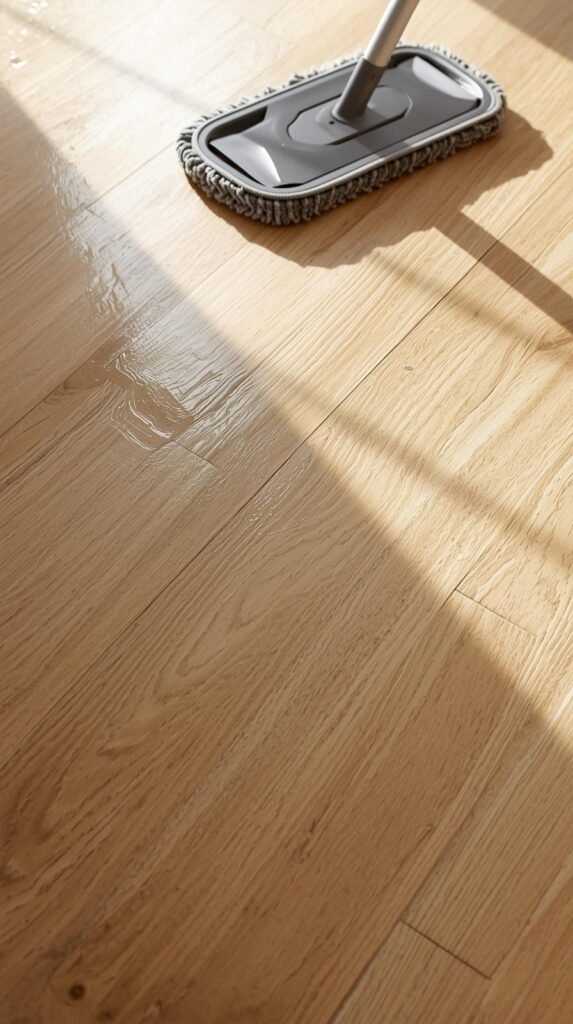
Wood floors don’t absorb liquid evenly, which allows pet urine and odors to slip into seams, cracks, and worn finish areas. Using too much water or the wrong cleaner can push smells deeper instead of removing them. The goal is neutralization without saturation.
Step-by-Step Instructions
- Identify odor-prone areas
Focus on seams between boards, near pet beds, entry points, and areas where accidents may have occurred. Odors on wood floors often hide where the finish is thinnest. - Dry-clean first
Vacuum or sweep thoroughly to remove hair and debris. This prevents spreading odor residue during wet cleaning. - Apply a wood-safe enzyme cleaner
Lightly dampen a microfiber mop with a wood-safe enzyme cleaner. Avoid pouring or over-wetting the floor. The cleaner should neutralize odor without soaking into the wood. - Work in small sections
Clean one area at a time, focusing on seams and high-traffic zones. This gives better control and prevents excess moisture from sitting on the floor. - Allow full air drying
Let the floor dry completely before walking on it or placing rugs back down. Trapped moisture can pull odors back to the surface. - Reassess after drying
Smell the area once dry. If odor remains, repeat the enzyme treatment. Persistent smells often mean the odor has reached beneath the finish. - Seal when necessary
For recurring urine odors, sealing the affected area after cleaning may be required to stop odor release long term.
Shop the Look
- Wood-Safe Enzyme Floor Cleaner
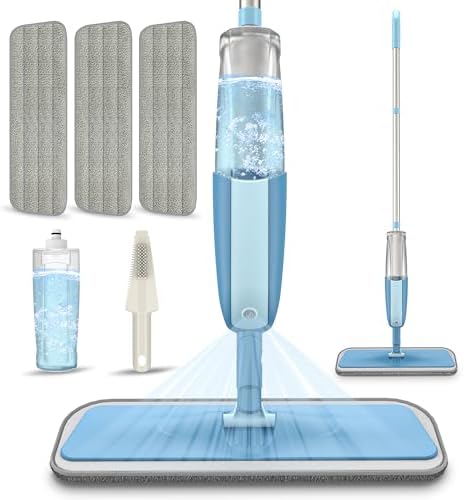
- Microfiber Floor Mop System
- Pet Odor Neutralizing Floor Spray
- Finish-Safe Odor Sealing Cleaner

Pet Beds, Blankets, and Washable Items
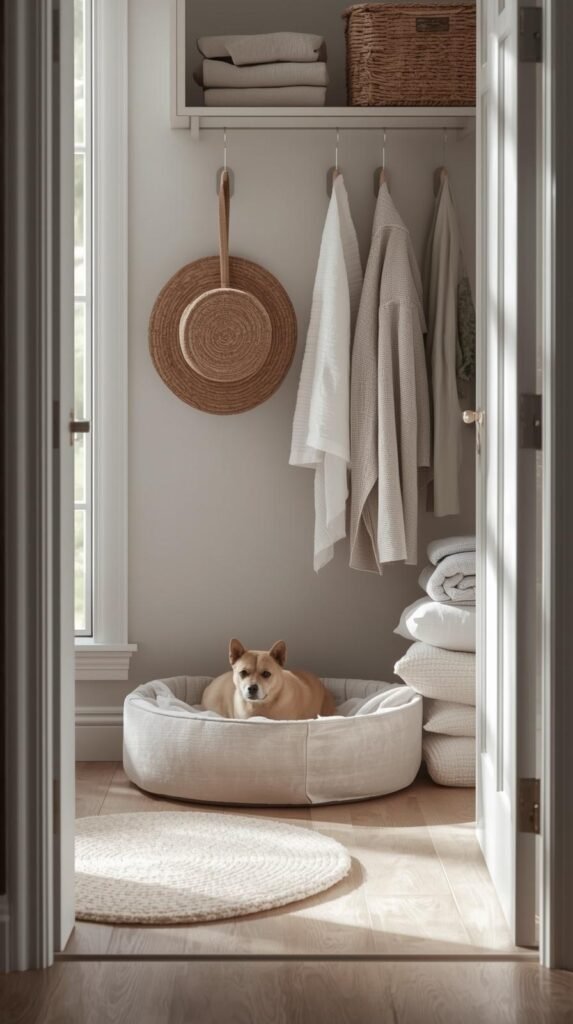
Pet beds and soft items hold onto odor because they absorb body oils, saliva, dander, and moisture deep into thick padding. Washing them incorrectly can actually lock smells in. These steps ensure odors are removed, not reactivated.
Step-by-Step Instructions
- Separate washable and non-washable items
Remove covers, blankets, and liners from foam inserts or inner padding. Check care labels before washing. - Pre-treat with an enzyme cleaner
Spray heavily soiled areas with an enzyme cleaner and allow it to sit for 10–15 minutes before washing. This starts breaking down odor compounds early. - Wash using enzyme-based laundry products
Use warm water, not hot, with an enzyme laundry additive or pet odor detergent. Heat can set odors before enzymes finish their work. - Treat foam inserts separately
Spray foam inserts with an enzyme cleaner and allow them to air dry completely. Never put foam in the dryer unless the manufacturer explicitly allows it. - Air dry the first time
Let items air dry after the first wash. If any odor remains, repeat the process before using a dryer. - Clean the washing machine
Run a washing machine cleaner monthly to prevent odor buildup from transferring back onto pet items. - Maintain with regular washing
Wash pet beds and blankets weekly or biweekly to prevent odors from building up again.
Shop the Look
- Enzyme Laundry Additive for Pet Odors
- Pet Odor Removal Detergent
- Washing Machine Cleaner for Odors
- Pet-Safe Fabric Deodorizing Spray
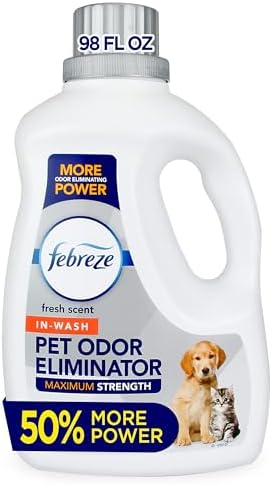
- FEBREZE IN WASH PET ODOR ELIMINATOR: You will receive (1) 98 Fl Oz bottle of Febreze Maximum Strength In Wash Pet Odor E…
- MAXIMUM STRENGTH LAUNDRY ODOR ELIMINATOR: This detergent additive removes even the toughest pet odors instead of just ma…
- FOR BEST RESULTS: Pretreat hard-to-remove odors by placing the item in hot water, add 1 capful of Febreze In Wash Pet Od…
Hidden Odor Zones You’re Probably Missing
If pet smells keep lingering even after deep cleaning, the source is often hiding in places that don’t get regular attention. Odor doesn’t just live where accidents happen. It spreads to nearby surfaces and settles quietly over time. Baseboards, corners of rooms, the backs of furniture, and areas around feeding stations are common problem zones.
Walls are another overlooked culprit. Pets brushing against walls or repeated marking in the same area can leave odor residue that slowly releases smell back into the room. These areas often need enzyme-based cleaners followed by thorough drying. Rugs layered over carpet can also trap odor between surfaces, creating a smell that never fully disappears until both layers are treated.
The key is thinking beyond the obvious. Once these hidden zones are addressed, the entire space tends to smell cleaner almost immediately, even without added fragrance.
Shop the Look
- Multi-Surface Enzyme Cleaner
- Odor Absorbing Gel for Rooms
- Detail Cleaning Brushes
- Disposable Cleaning Gloves


Daily Habits That Prevent Pet Odors From Coming Back
Once you’ve removed pet odors properly, keeping your home fresh is more about small habits than deep cleaning marathons. Pet smells build up gradually, so consistent light maintenance does more than occasional heavy scrubbing. Simple routines can stop odors from settling in again.
Regular vacuuming, especially in pet-favorite zones, removes hair and dander before they have time to hold odor. Washing pet bedding weekly and rotating blankets keeps smells from concentrating in one spot. Opening windows when weather allows and running an air purifier helps prevent stale air from trapping pet scent throughout the house.
Grooming plays a bigger role than most people realize. Clean pets equal fewer odors in your home. Wiping paws, brushing coats, and using pet-safe grooming wipes between baths helps reduce the transfer of odor to furniture and floors.
Shop the Look
- Pet Grooming Wipes
- Vacuum Deodorizer for Pet Hair
- Pet-Safe Air Freshening Spray
- Lint and Fur Removal Tool


The Best Pet Odor Solutions That Actually Work
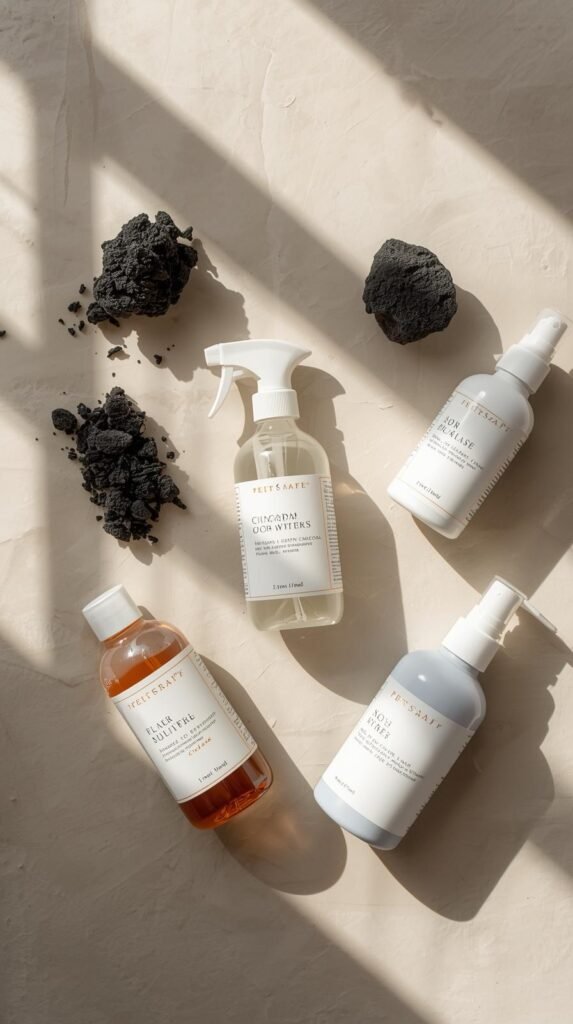
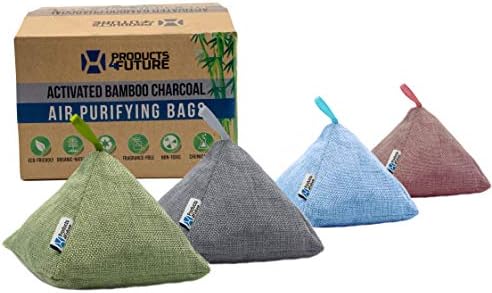
Not all pet odor products are created equal. The most effective pet odor solutions focus on neutralizing odor at the molecular level, not overpowering it with fragrance. Enzyme cleaners are essential for breaking down urine and organic smells, while activated charcoal and air purifiers remove lingering odor particles from the air. When used together, these tools create a layered system that keeps your home smelling clean long term.
What usually fails are heavily scented sprays, DIY mixes that don’t penetrate deeply, and cleaners not designed for pet-specific odors. Reading ingredient labels matters here. Look for products that clearly state enzyme-based or odor-neutralizing technology, and always choose pet-safe formulas. When you build a routine around the right products, maintenance becomes easier and odors stop coming back.
Shop the Look
- Concentrated Enzyme Odor Eliminator
- Activated Charcoal Air Purifying Bags
- Pet-Safe Room Odor Neutralizer
- Carpet Odor Eliminator Powder

A Fresh Home Is Still Possible with Pets
Living with pets doesn’t mean living with odors. The difference is understanding that pet smells need to be removed, not covered up. When you treat carpet, upholstery, wood floors, pet beds, and urine-prone areas correctly, freshness lasts longer and cleaning becomes easier. Focus on enzyme-based solutions, address hidden zones, and build simple daily habits that prevent odors from settling back in.
If you want more smart, realistic cleaning strategies, you might also love How to Clean Grease Off Cabinets Without Ruining the Finish on Room Revival Studio. It’s another no-fluff guide that focuses on results, not quick fixes.