Affiliate Disclosure – This post may contain affiliate links. If you click and make a purchase, I may earn a small commission at no extra cost to you. I only share products I genuinely use or recommend for an easier, more intentional home.
If you’ve ever opened your microwave and immediately closed it again, this is for you. Food splatters, mystery smells, and dried-on grease make this one of the most ignored spots in the kitchen. The good news is learning how to clean your microwave does not require harsh chemicals or a full deep-clean session. This simple method takes five minutes or less, uses items you already have, and instantly makes your kitchen feel cleaner and more put together. Once you know the right steam-clean trick, microwave cleaning becomes one of the fastest resets in your entire kitchen. No scrubbing, no stress, and no lingering food smells.
The Steam-Clean Method That Does the Work for You
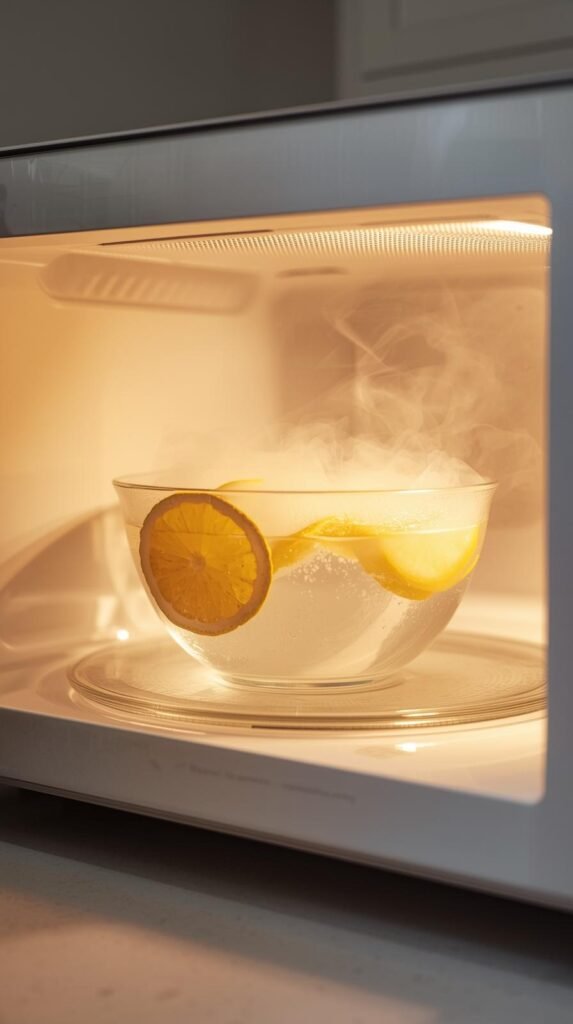
This is the fastest and most effective way to clean a microwave, especially when food splatters are dried on and stubborn. Steam loosens grease and grime so you can wipe everything away without scrubbing or scratching the interior. It works because heat and moisture soften stuck-on residue, making cleanup almost effortless. If you only do one microwave cleaning method, make it this one.
How to Do It
- Fill a microwave-safe bowl with water.
- Add lemon slices or a splash of white vinegar.
- Microwave on high for 3 to 5 minutes until the bowl is steaming.
- Let the door stay closed for 1 additional minute to trap the steam.
- Carefully remove the bowl and wipe the inside with a microfiber cloth.
Pro Tip – Leave the microwave door closed for an extra minute after heating. Trapped steam is what loosens hardened splatters so they wipe away cleanly.
Shop the Look
How to Remove Stuck-On Grease without Scrubbing
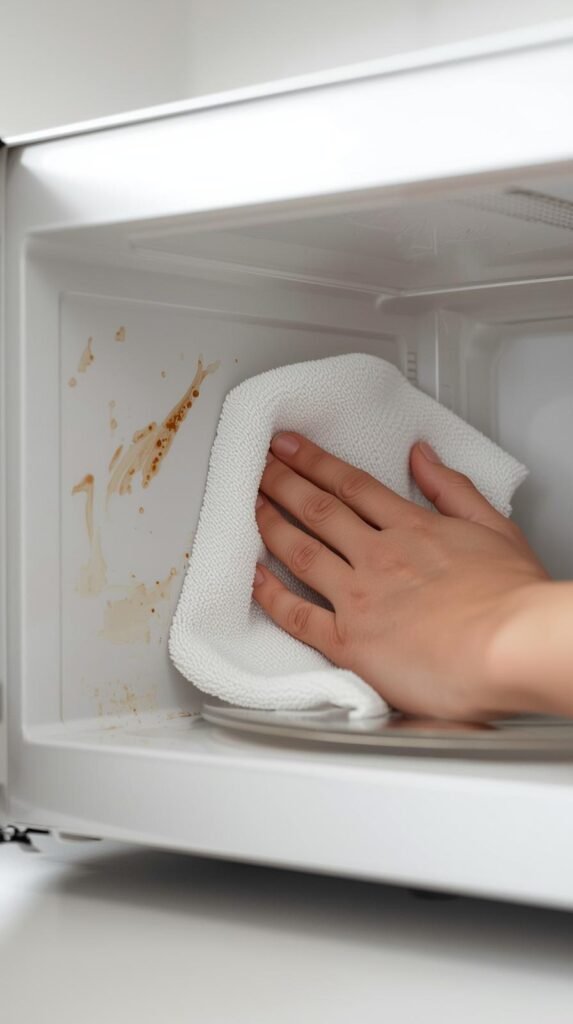
Grease is what makes microwave cleaning feel harder than it needs to be. It splatters, cools, and turns into a sticky film that clings to the ceiling and corners. The key is softening it first, not attacking it with force. Once the grease is loosened, it wipes away cleanly without damaging the interior.
Start by using the steam-clean method again if needed, especially for heavy buildup. While the interior is still warm, dip a microfiber cloth into the hot water from the bowl and wring it out well. Wipe from the top down, focusing on corners and the back wall where grease hides. For stubborn spots, apply a small amount of baking soda to the cloth and gently buff the area.
Pro Tip – Always wipe grease while the microwave interior is warm. Warm surfaces release grease faster and prevent streaky residue.
Shop the Look
Cleaning the Microwave Door and Handle Properly
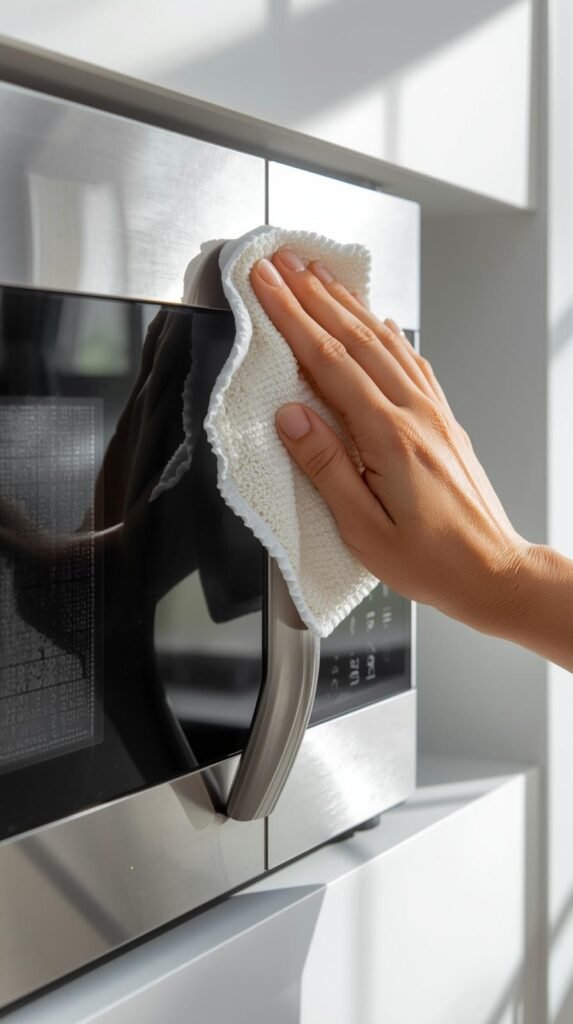
The microwave door and handle are some of the most touched surfaces in your kitchen, which means they collect fingerprints, grease, and bacteria fast. Even if the inside looks clean, a cloudy door or sticky handle makes the whole appliance feel dirty. This step is quick but makes a noticeable difference in how clean your kitchen feels.
Use a damp microfiber cloth with a small amount of vinegar or dish soap to wipe the inside and outside of the door. Pay close attention to the edges where grease builds up and the handle where hands constantly touch. Finish by wiping the glass with a dry cloth to prevent streaks and leave a polished, clear finish.
Pro Tip – Wipe the door glass last with a dry microfiber cloth for a streak-free, like-new shine.
Shop the Look
Deodorizing a Microwave That Smells Bad
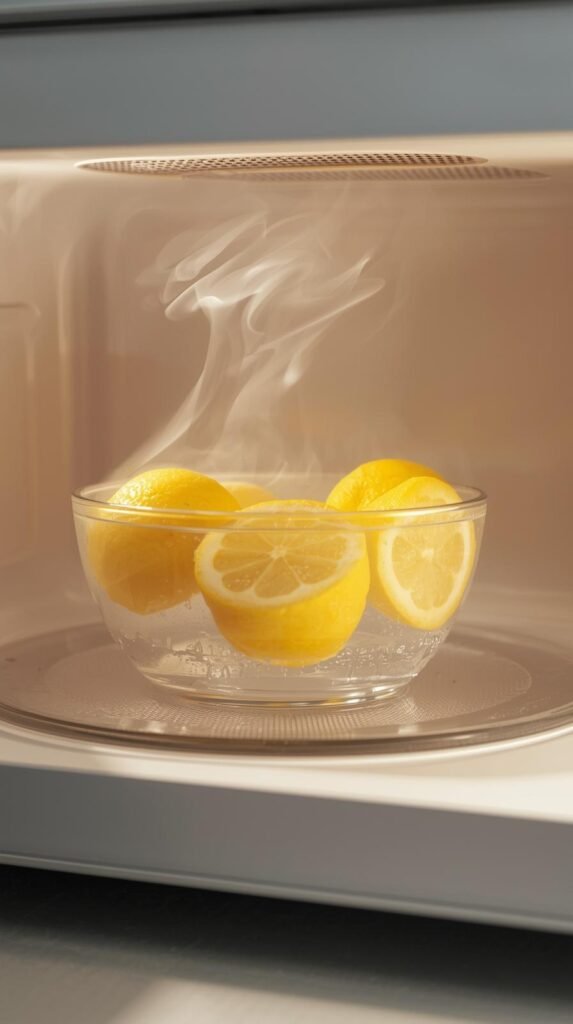
If your microwave smells like last week’s leftovers, wiping it down is not enough. Odors get trapped in dried food splatter and linger even after the surface looks clean. The goal here is to neutralize smells, not cover them up with artificial scents.
Start by steaming a bowl of water with fresh lemon slices or a few tablespoons of vinegar. Let the steam sit inside the microwave for a minute, then wipe the interior again. For stubborn odors, place an open box or small bowl of baking soda inside the microwave and leave it overnight to absorb lingering smells naturally.
Pro Tip – For extra-tough odors, leave baking soda inside the microwave overnight instead of reheating another solution.
Shop the Look
Deep Clean the Microwave Turntable and Ring

The turntable and roller ring are usually the dirtiest parts of the microwave, yet they are also the easiest to clean once you remove them. Food spills drip down, harden, and create odors if they are ignored. Cleaning these pieces separately helps prevent smells and keeps the microwave rotating properly.
Remove the glass turntable and the ring underneath it. Wash both in warm, soapy water, just like you would a dish. For stuck-on food, let them soak for a few minutes before wiping clean. Dry completely before placing them back inside the microwave to prevent moisture buildup.
Pro Tip – If your turntable is dishwasher safe, place it on the top rack for an easy deep clean.
Shop the Look
How Often You Should Clean Your Microwave
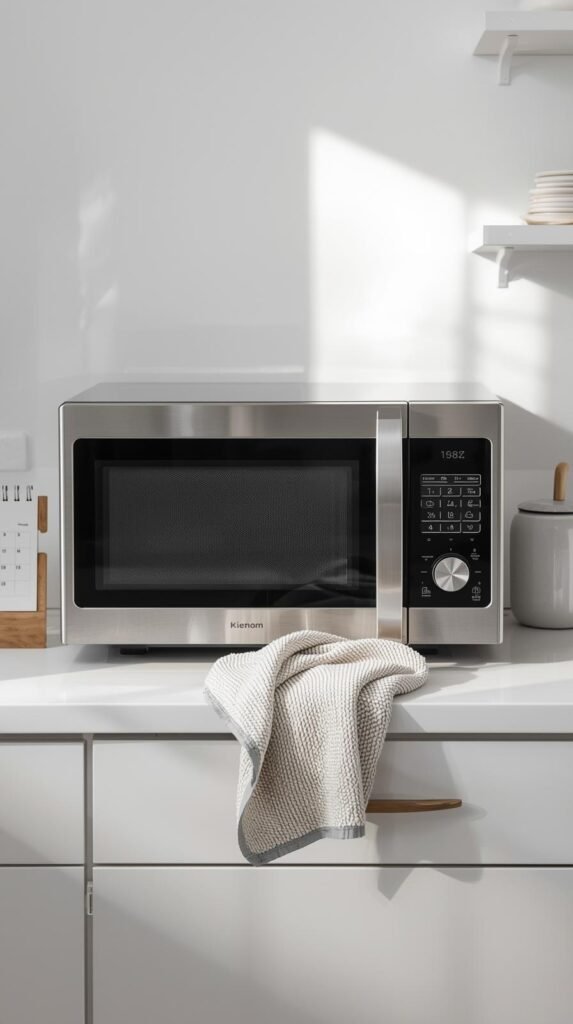
Keeping your microwave clean does not require a full deep clean every time. A simple routine prevents buildup and keeps odors from taking over. When you clean it regularly, each session takes less time and feels far less overwhelming.
Wipe down the interior once a week using a damp microfiber cloth or a quick steam clean. If you use your microwave daily, a deeper clean once a month helps remove grease and hidden splatters. Any visible spills should be wiped up right away before they harden and become harder to remove.
Pro Tip – Wiping the microwave while it is still slightly warm after use makes cleanup faster and easier.
Shop the Look
Microwave Cleaning Mistakes to Avoid
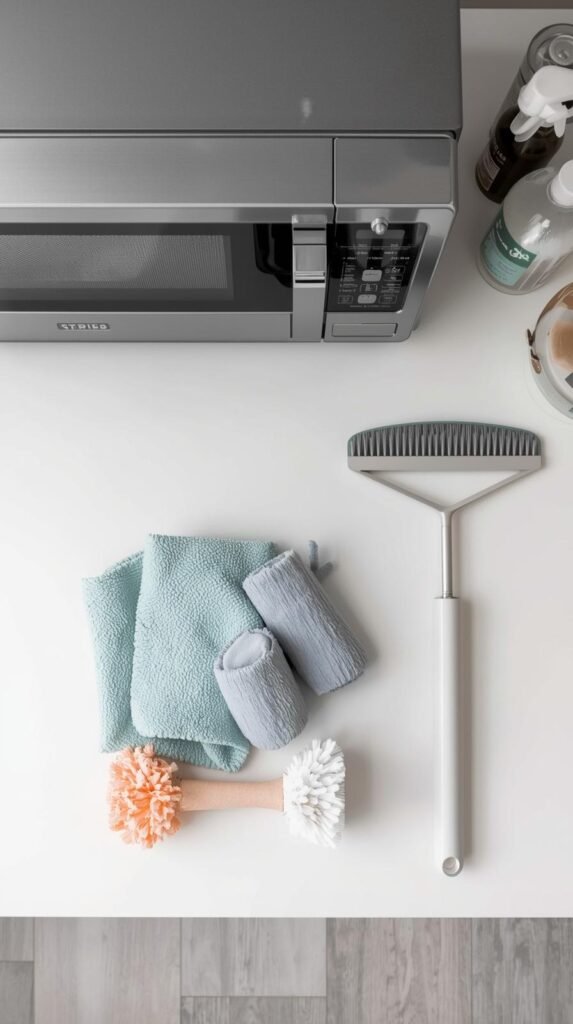
Microwaves are easy to clean, but they are also easy to damage if you use the wrong approach. A few common mistakes can scratch surfaces, leave chemical residue, or shorten the life of the appliance. Avoiding these keeps your microwave looking better and working properly.
Do not use abrasive scrubbers or steel wool, even on tough stains. Skip harsh chemical cleaners that leave fumes or residue behind, especially in a small enclosed space. Never overheat cleaning solutions, and do not forget to wipe vents and edges where grease quietly builds up.
Pro Tip – If something does not wipe away easily, steam it again instead of scrubbing harder.
Shop the Look
Best DIY Microwave Cleaners That Actually Work

You do not need store-bought sprays to clean your microwave effectively. A few simple DIY options work just as well and are safer to use around food. These cleaners break down grease, remove odors, and leave the interior fresh without heavy residue.
Vinegar and water is the most reliable all-purpose option for cutting grease and deodorizing at the same time. Lemon and water works similarly but leaves a fresh, clean scent behind. For stubborn spots, a baking soda paste adds gentle grit without scratching the surface. Choose the method based on how dirty your microwave is and how much time you have.
Pro Tip – Use vinegar for heavy grease and lemon for light cleaning and freshening between deep cleans.
Shop the Look
How to Keep Your Microwave Clean Longer
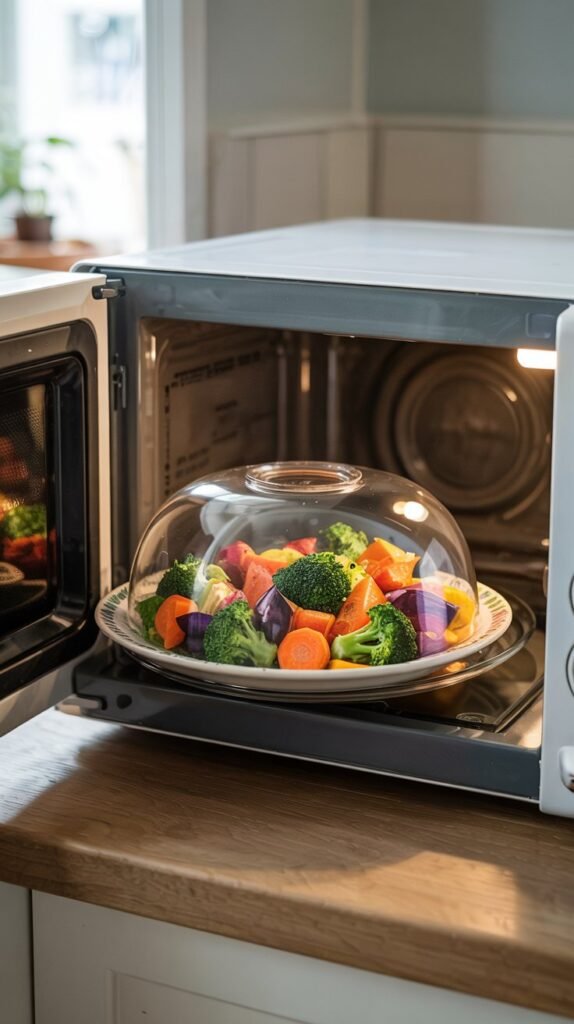
The easiest way to clean a microwave is to prevent messes in the first place. Small habits make a big difference and help you avoid deep cleaning too often. When spills are controlled, your microwave stays fresher and easier to maintain.
Use a microwave-safe cover or paper towel when reheating food to prevent splatters. Wipe up spills as soon as they happen, especially sauces and oils. A quick daily wipe keeps grease from building up and turning into hardened messes.
Pro Tip – Keep a microfiber cloth in a nearby drawer so wiping the microwave takes less than a minute.
Shop the Look
Quick Microwave Cleaning Reset for Busy Weeks
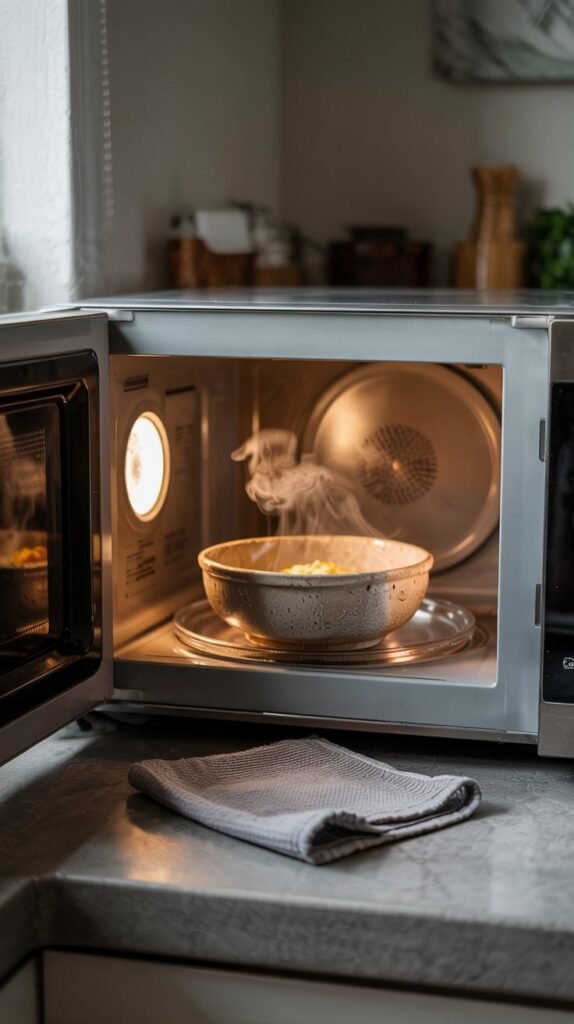
Some weeks you barely have time to think, let alone deep clean your kitchen. This quick reset keeps your microwave from getting out of control when life is busy. It takes two minutes and prevents smells and buildup from settling in.
Heat a bowl of water for one to two minutes to create steam, then wipe the interior quickly with a microfiber cloth. Focus on the ceiling and back wall where splatters hide. This fast reset keeps things fresh until you have time for a deeper clean.
Pro Tip – Do this quick reset once a week to avoid heavy grease buildup altogether.
Shop the Look
Cleaning your microwave does not have to be a dreaded chore or a full weekend project. With the right steam-clean method and a few simple habits, you can keep it fresh in five minutes or less. A clean microwave instantly makes your kitchen feel more pulled together and hygienic.
If you are refreshing your kitchen cleaning routine, you might also love How to Get Stainless Steel Appliances Streak-Free for easy, no-fuss appliance care that actually works.