Affiliate Disclosure – This post contains affiliate links. Room Revival Studio may earn a small commission from qualifying purchases at no extra cost to you.
Crochet is everywhere again and it is not just your grandma’s hobby anymore. From colorful throw blankets to modern wall hangings and cozy handmade gifts, crochet has officially entered its main character era. If you have ever wanted to learn but felt overwhelmed by hooks, yarn labels, or confusing tutorials, you are in the right place. This guide breaks crochet down in a simple, beginner-friendly way so you can start confidently and actually enjoy the process.
What Crochet Actually Is (And Why Everyone’s Hooked)
What Crochet Is and Why It’s So Easy to Start
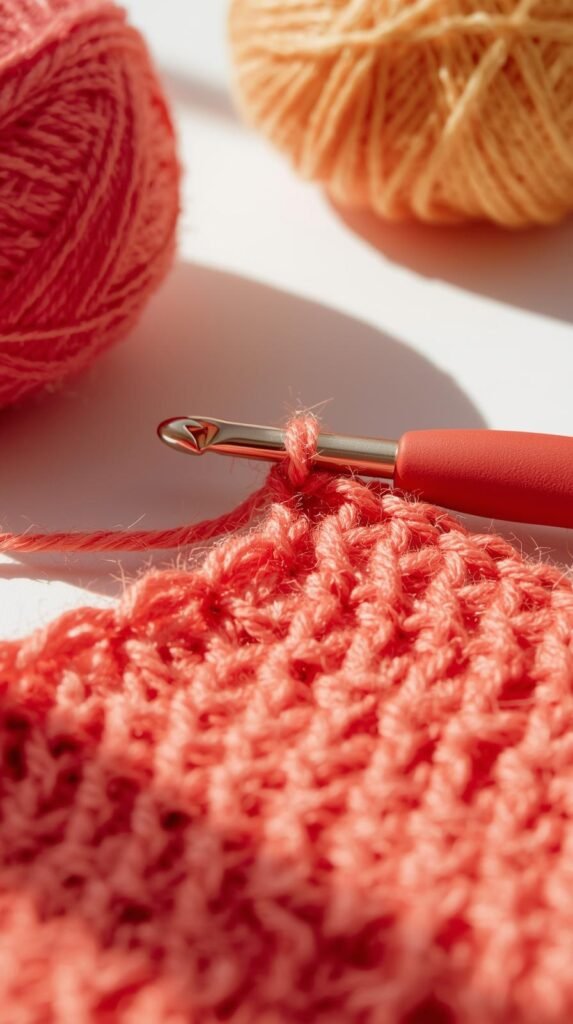
Crochet is a fiber craft that uses a single hook to pull loops of yarn into fabric, which makes it much easier to learn than it looks. You only work with one active loop at a time, so mistakes are simple to fix and rarely derail the whole project. That quick feedback loop is why beginners often feel successful faster with crochet than with other crafts. You can see progress almost immediately, which keeps motivation high.
Why Crochet Fits Modern Creative Life
Crochet blends creativity with calm in a way that feels practical for real life. It is portable, flexible, and easy to pick up in short sessions, whether you are working with bold color palettes or cozy textures. Crochet also fits perfectly into today’s handmade and slow-living movement, where creating something with your hands feels grounding and intentional.
Shop the Look
Crochet Tools You Actually Need to Start
The Only Tools Beginners Truly Need
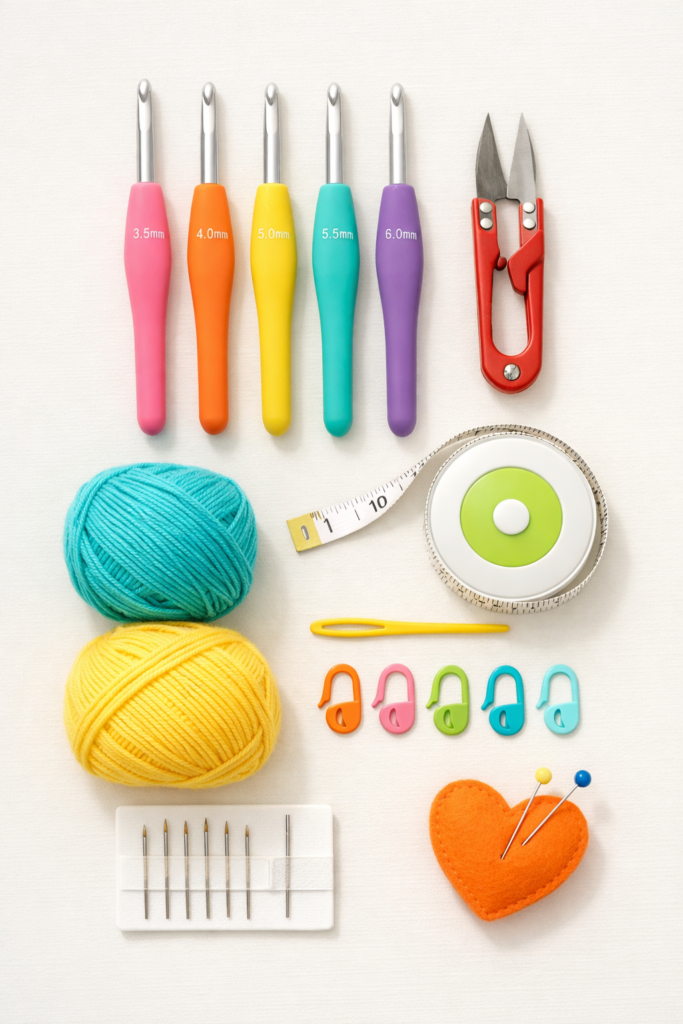
You do not need a full craft room or an expensive kit to start crocheting. At its core, crochet requires just a hook, yarn, and a couple of small helpers to make the process smoother. Starting simple helps you focus on learning stitches instead of getting distracted by tools you are not ready to use yet. The right basics will make your hands more comfortable and your learning curve much easier.
Why the Right Tools Make Learning Easier
Beginner frustration often comes from using the wrong supplies, not from lack of skill. Hooks that are uncomfortable or yarn that splits easily can slow you down and make crochet feel harder than it actually is. When your tools work with you instead of against you, stitches feel more natural and progress comes faster. This is especially important when you are learning crocheting basics and building muscle memory.
Shop the Look
Crochet Yarn Explained Without the Confusion
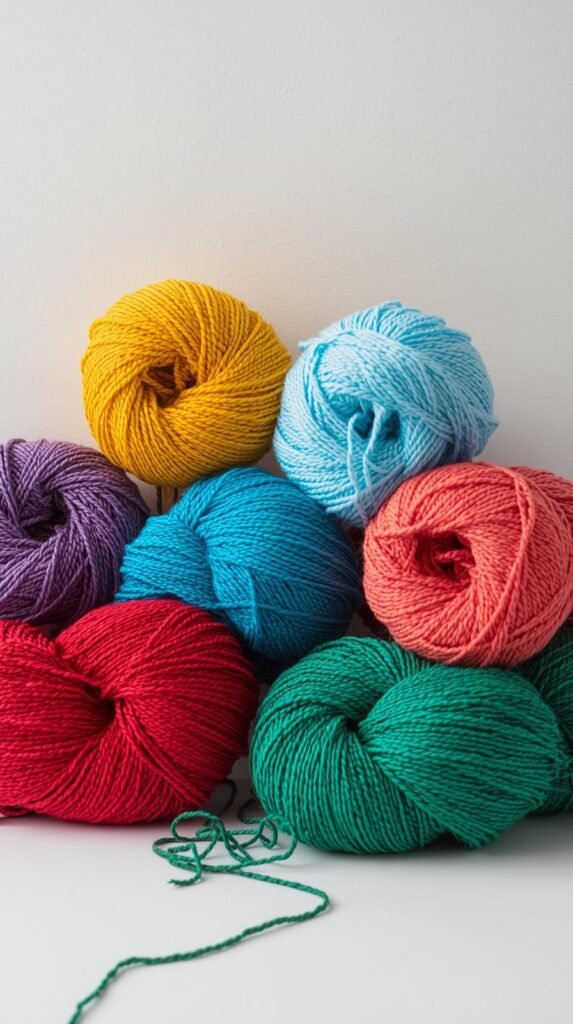
The Yarn Basics Every Beginner Should Know
Yarn labels can feel overwhelming at first, but you only need to understand a few basics to get started. Yarn weight refers to thickness, and for beginners, medium-weight yarn is the easiest to control and see. It holds its shape well, works with a wide range of crochet stitches, and is forgiving if your tension is not perfect yet. Starting with the right yarn removes a huge layer of frustration when learning how to crochet.
Why Color and Texture Matter When Learning
Color plays a bigger role in crocheting basics than most beginners realize. Light or bright colors make it easier to see individual stitches, which helps you understand where your hook should go. Smooth yarn with minimal texture lets your stitches stay defined, making it easier to fix mistakes and build confidence. Once you are comfortable, experimenting with fuzzy or specialty yarns becomes much more enjoyable.
Shop the Look
Crochet Stitches Every Beginner Should Learn First
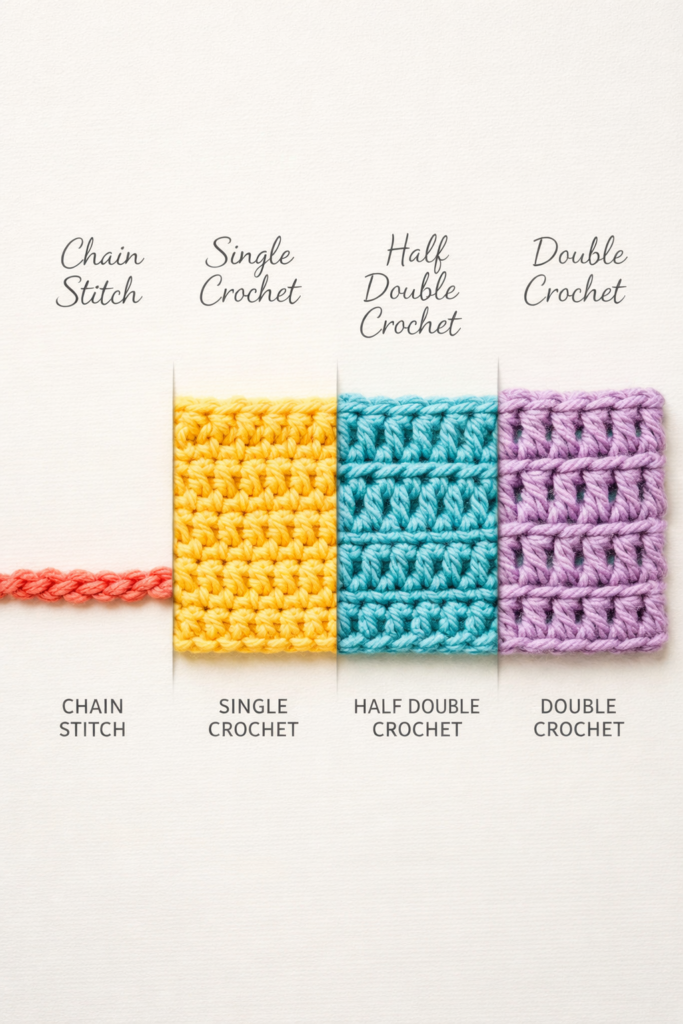
The Core Stitches That Build Everything
You do not need to learn dozens of stitches to start crocheting. A small group of basic crochet stitches forms the foundation for nearly every project you will make as a beginner. These stitches repeat across patterns, so once they click, everything else becomes easier and more intuitive. Mastering these first will make simple beginner crochet projects feel achievable instead of intimidating.
The most important beginner stitches include:
- Chain stitch
- Single crochet
- Half double crochet
- Double crochet
- Slip stitch
Why Starting Simple Makes You Better Faster
It can be tempting to jump straight into complex patterns, but strong basics save time in the long run. These stitches teach you consistent tension, stitch placement, and rhythm, which directly affect how polished your finished projects look. Practicing the same stitches across different projects helps build muscle memory and confidence.
Shop the Look
How to Crochet Your First Project Without Overthinking It
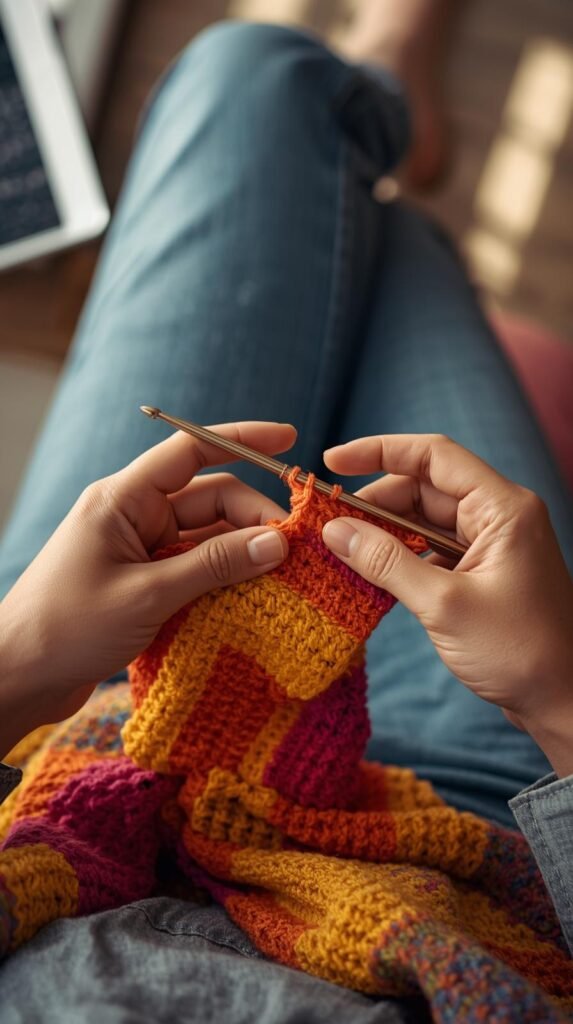
A Simple Beginner Workflow That Actually Works
Your first crochet project should feel manageable, not overwhelming. Start by choosing one small, simple item and commit to finishing it before moving on. This approach helps you learn how stitches come together while keeping frustration low. Following along with a beginner-friendly tutorial can be more helpful than reading patterns at this stage, especially when you are learning how to crochet for beginners.
Why Small Wins Matter in Crochet
Finishing a project, even a small one, builds confidence fast. Simple beginner crochet projects teach you problem-solving skills and help you understand how mistakes happen and how to fix them. Each completed piece makes the next project easier and more enjoyable. Crochet is a skill that builds momentum when you allow yourself to learn gradually.
Shop the Look
Small Beginner Crochet Projects That Are Easy
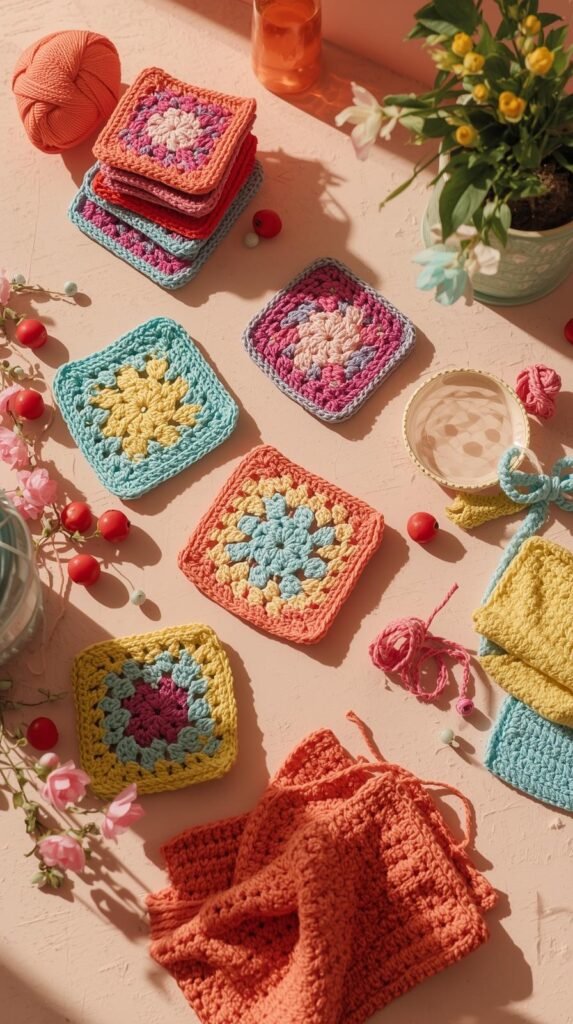
The Best Projects to Start With
When you are just learning, small projects are your best friend. They let you practice crochet stitches without committing to something that takes weeks to finish. These projects help you understand tension, turning, and stitch placement while still giving you something usable at the end. They are also perfect for experimenting with color, which keeps crochet fun and visually rewarding.
Great beginner project ideas include:
- Dishcloths
- Coasters
- Granny squares
- Simple scarves
- Headbands
Why Small Projects Build Confidence Faster
Small beginner crochet projects are forgiving and repeatable, which makes learning feel less intimidating. You can try the same project more than once using different colors or yarn types and see improvement quickly. Each finished piece reinforces the basics and makes your hands more comfortable with the motions of crocheting.
Shop the Look
Common Crochet Mistakes (And How to Fix Them Fast)
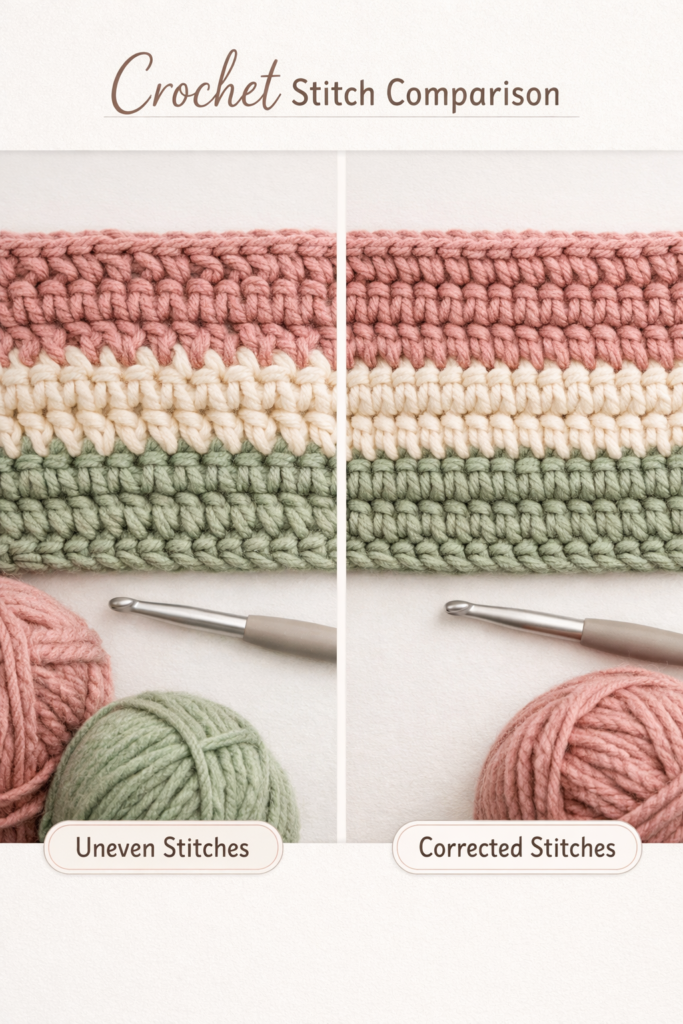
The Most Common Beginner Issues
Every crocheter runs into the same few problems at the beginning, and none of them mean you are doing it wrong. Uneven edges, tight stitches, and accidentally adding or losing stitches are all part of learning crocheting basics. These issues usually come from tension changes or missing stitch placement, not lack of skill. Once you know what to watch for, fixes become quick and simple.
How to Fix Problems Without Starting Over
Crochet is forgiving, which is one of its biggest strengths. You can pull out a few stitches, adjust, and keep going without ruining the entire project. Counting stitches at the end of each row helps catch mistakes early, and slowing down when something feels off saves time in the long run. Learning how to correct mistakes is just as important as learning how to crochet.
Shop the Look
How Long It Really Takes to Learn Crochet
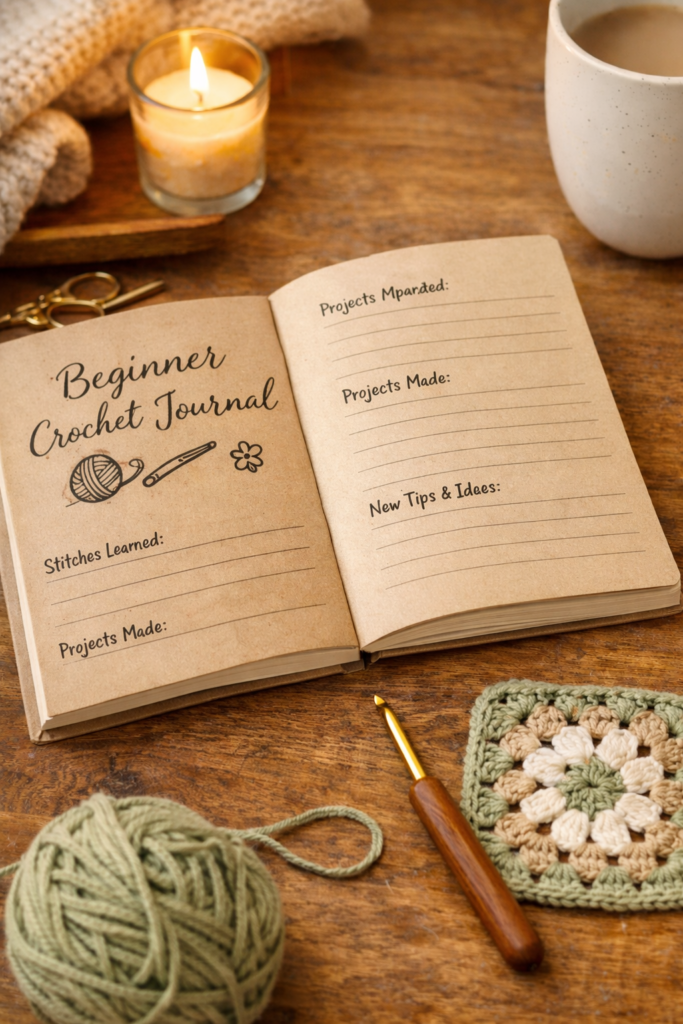
A Realistic Crochet Learning Timeline
Learning crochet is less about speed and more about consistency. Most beginners can learn basic stitches within a few hours, but feeling comfortable takes regular practice over time. Within a week or two of casual crocheting, many people can complete small projects confidently. Progress looks different for everyone, and that is completely normal.
What Progress Actually Looks Like
At first, your stitches may feel awkward and uneven, and that is expected. Over time, your hands learn the motion and your tension naturally improves. Crochet gets easier the more you repeat the basics, not the more complicated projects you attempt. Staying patient with yourself makes the learning process far more enjoyable.
Shop the Look
Making Crochet Look Modern and Colorful
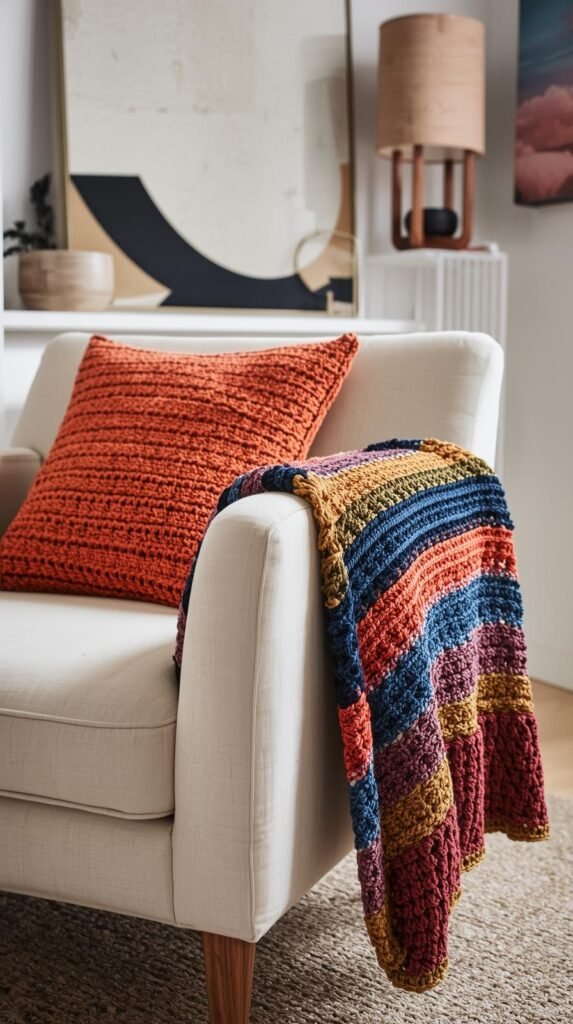
How Color Transforms Crochet
Color is what instantly pulls crochet out of the “traditional” category and into a modern, intentional look. Bright hues, unexpected color combinations, and playful contrasts make even simple stitches feel fresh. Using color strategically allows beginner projects to look polished without adding complexity. This is one of the easiest ways to elevate your crochet without learning new stitches.
Modern Styling Tips for Beginner Projects
Modern crochet focuses on clean shapes, bold color choices, and simple patterns. Think stripes, color blocking, and repeating motifs instead of intricate designs. Pairing handmade crochet pieces with modern decor or accessories helps them feel current and curated rather than overly crafty.
Shop the Look
What to Try Next After You Learn the Basics
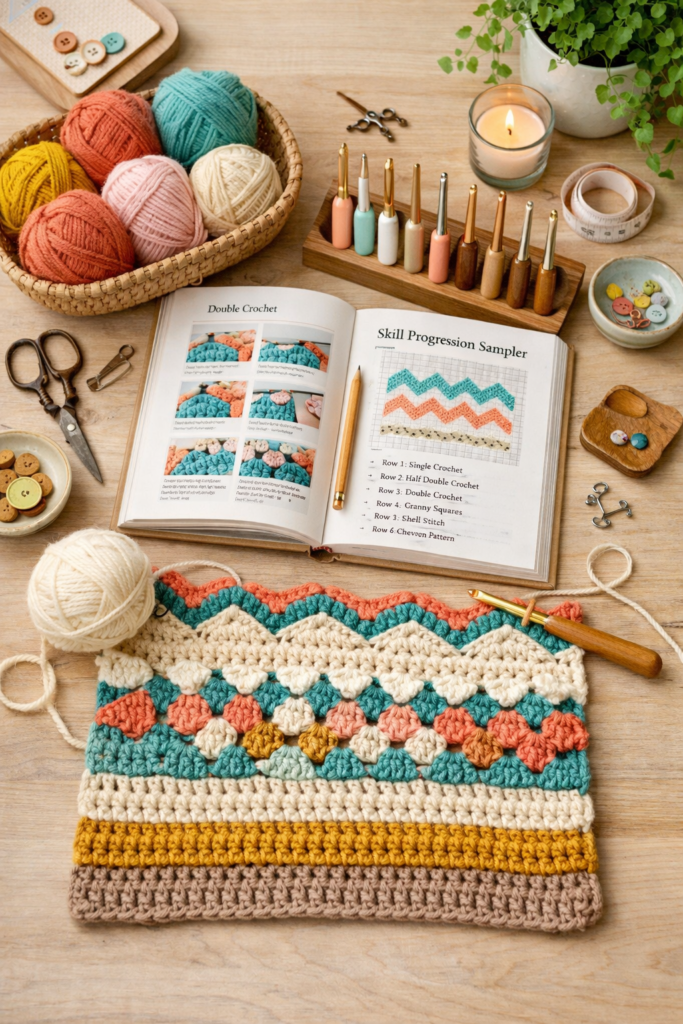
How to Build Skills Without Burning Out
Once you feel comfortable with basic crochet stitches, the next step is not jumping into the hardest pattern you can find. Progress happens faster when you slightly challenge yourself while staying within familiar territory. Trying new stitches one at a time or adding simple shaping keeps crochet fun instead of frustrating. This approach helps you grow steadily without losing confidence.
Smart Next Steps for Beginners
After mastering the basics, focus on projects that introduce just one new concept at a time. This could mean working in the round, changing colors cleanly, or following a simple written pattern instead of a video. These small upgrades build skill without overwhelming you and keep crocheting enjoyable long term.
Shop the Look
Crochet is one of those skills that grows with you. You can keep it simple, colorful, and relaxing, or turn it into a creative outlet that challenges you in new ways over time. Once you understand the tools, yarn, stitches, and beginner-friendly projects, everything else becomes much easier to explore. The most important part is starting and letting yourself learn without pressure. If you’re enjoying learning hands-on crafts and want another relaxing project to try next, you’ll love this beginner-friendly guide:
👉 Read next: How to Start a Junk Journal (Without Overthinking It) on Room Revival Studio. A perfect creative companion if you enjoy slow, tactile hobbies that help you unwind and create something meaningful.