Affiliate Disclosure – This post may contain affiliate links. If you purchase through these links, Room Revival Studio may earn a small commission at no extra cost to you.
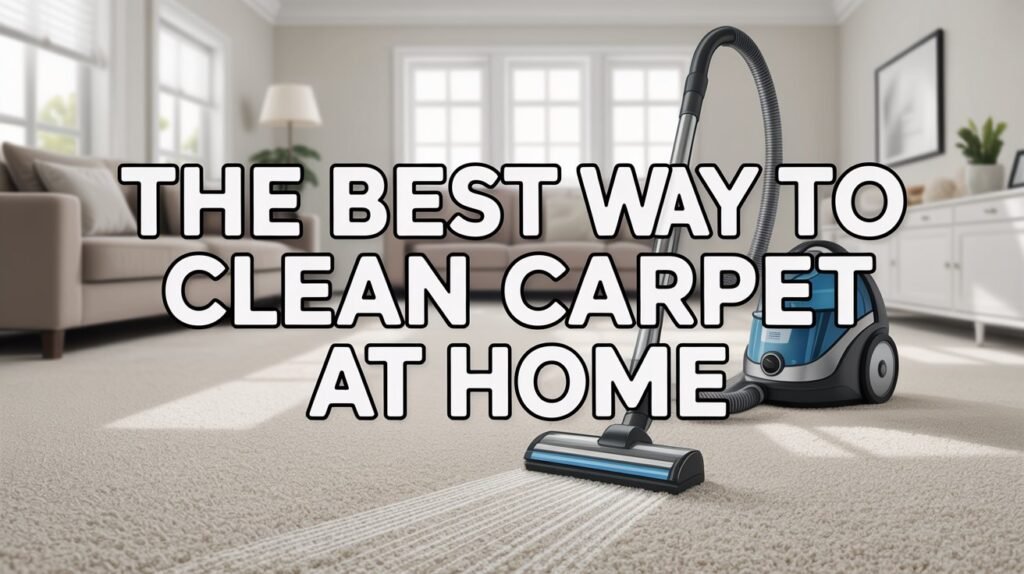
If your carpet looks dull, smells a little off, or shows every spill you’ve ever ignored, you’re not alone. Carpet gets dirty fast, especially in real homes with pets, kids, and daily foot traffic. The good news is you do not need to hire a professional or rent a bulky machine every time to get results. This step-by-step system breaks down how to clean carpet properly at home, using smart prep, the right products, and techniques that actually work. No guesswork. No wasted effort. Just clean carpet that looks and feels refreshed.
1. Prep Your Carpet for a Real Clean
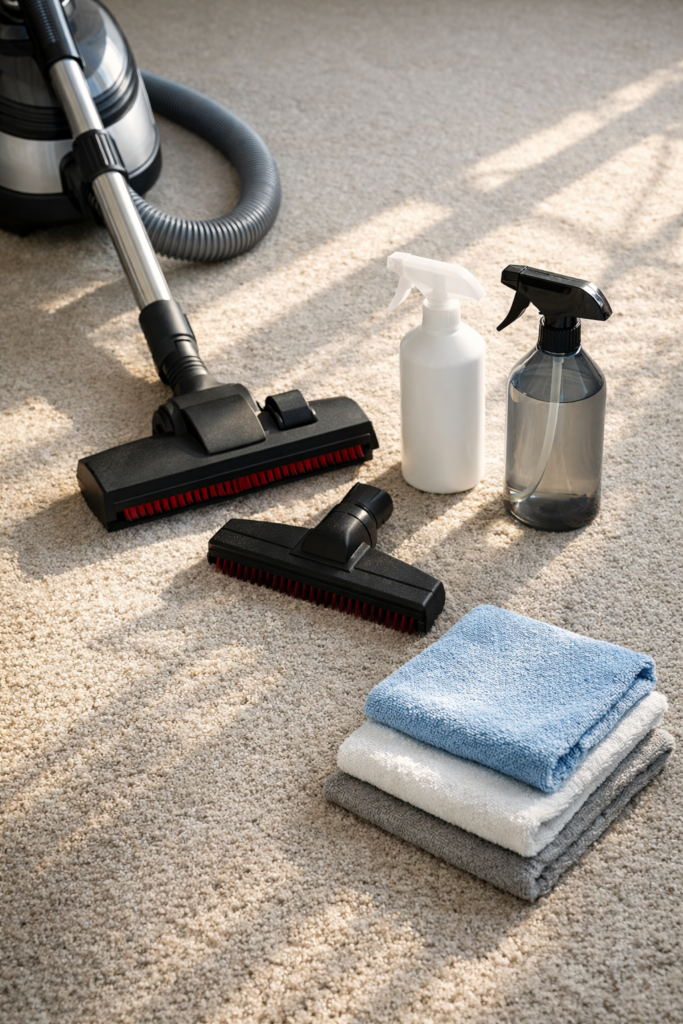
Before you touch any cleaner or solution, prep is everything. Skipping this step is the fastest way to push dirt deeper into the carpet instead of lifting it out. A properly prepped carpet cleans more evenly, dries better, and stays cleaner longer.
Start by clearing the area completely. Move small furniture, pick up rugs, and remove anything sitting on the carpet so you can clean edge to edge. Next, focus on dry debris. Dirt, dust, crumbs, and pet hair act like grit inside carpet fibers, and if they are not removed first, you will just smear them around during cleaning.
Take a few extra minutes to check corners, baseboards, and high-traffic paths. These areas collect the most buildup and often get missed. This prep step alone can make your carpet look noticeably better before you even start washing it.
Prep checklist:
- Remove furniture, decor, and floor items
- Pick up visible debris and pet hair
- Check corners, edges, and walkways
Pro tips:
- Prep slowly and thoroughly. Rushing here affects every step after.
- Focus on traffic lanes first. That’s where dirt is most compacted.
- If you have pets, use a stiff brush first to loosen embedded hair.
Shop the Look
2. Vacuum the Carpet the Right Way
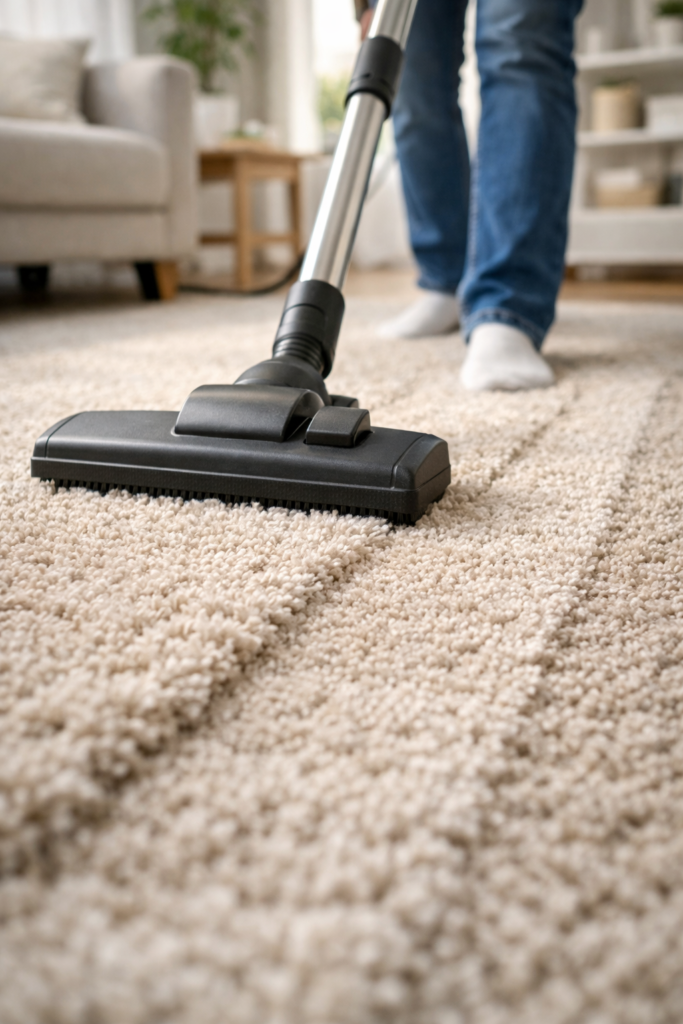
Vacuuming sounds basic, but this is where most carpet cleaning goes sideways. Fast passes and random directions leave grit behind, especially in high-traffic lanes where dirt gets compacted deep into the fibers. To actually clean carpet, you need a slow, intentional approach that lifts debris instead of skating over it.
Start by vacuuming in one direction, then go back over the same area at a 90-degree angle. This crosshatch pattern pulls up embedded dirt and pet hair that a single pass misses. Move slowly and let the vacuum do the work. Pay extra attention to edges, corners, and along baseboards where dust builds up quietly over time. If your vacuum has adjustable height or suction, set it to match your carpet pile so it can reach deeper without bogging down.
This step sets the foundation for everything that follows. A properly vacuumed carpet absorbs cleaning solutions more evenly and releases dirt more effectively during washing.
Technique tips:
- Vacuum slowly with overlapping passes
- Change directions to lift compacted dirt
- Focus on traffic paths, edges, and corners
Pro tips:
- Empty the vacuum bin before you start so suction stays strong.
- Use attachments along baseboards and under furniture edges.
- For pet homes, make an extra pass before moving on to spot treatment.
Shop the Look
3. Spot-Treat Stains Before Any Deep Cleaning
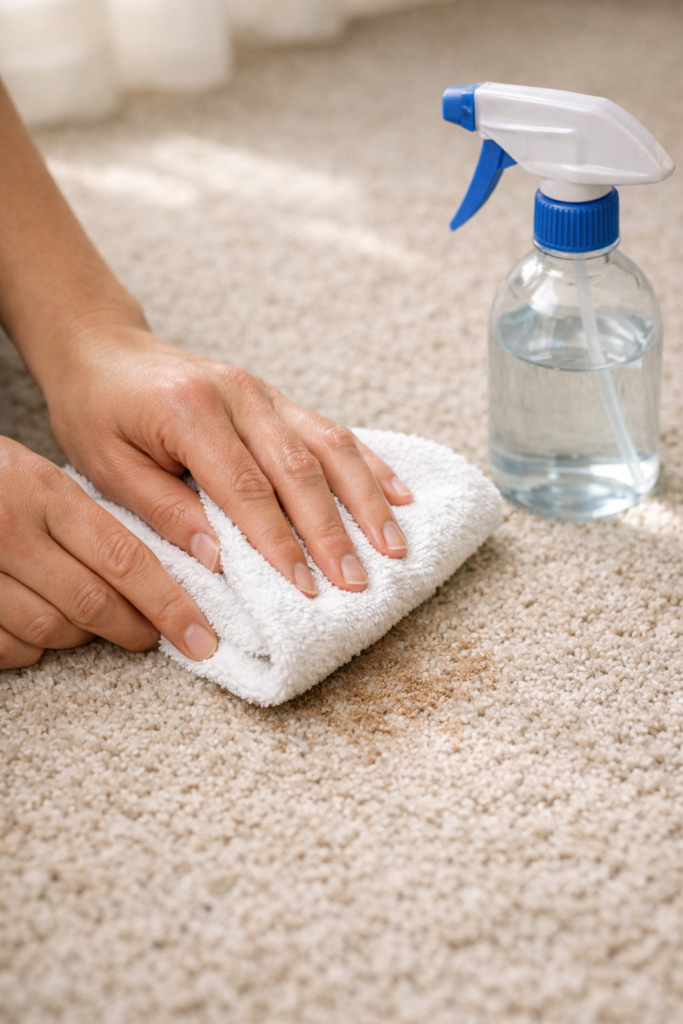
Stains need to be handled before you move on to any full carpet washing. If you skip this step, stains can set deeper or spread, especially once moisture is introduced. Spot-treating first gives you far better results and keeps the rest of the carpet from looking uneven once it dries.
Start by identifying what kind of stain you’re dealing with. Food and drink stains behave differently than grease or pet messes, and using the wrong cleaner can make things worse. Always blot, never scrub aggressively. Blotting lifts the stain up and out of the fibers instead of pushing it deeper. Apply your cleaner lightly, let it work for a few minutes, then blot again with a clean cloth.
Timing matters here. Fresh stains respond faster, but even older spots can improve with the right treatment and patience. The goal is not to erase everything instantly but to break down the stain so it doesn’t stand out after the carpet is fully cleaned.
Stain focus guide:
- Food and drink stains lift best with oxygen-based cleaners
- Grease responds better to enzyme or degreasing formulas
- Pet stains need enzyme cleaners to address odor at the source
- Ground-in dirt benefits from light moisture and repeated blotting
Pro tips:
- Test cleaners in a hidden area first to avoid discoloration.
- Use white cloths or towels so dye doesn’t transfer.
- Let the cleaner do the work instead of oversaturating the carpet.
Shop the Look
4. Choosing the Best Carpet Cleaning Solution
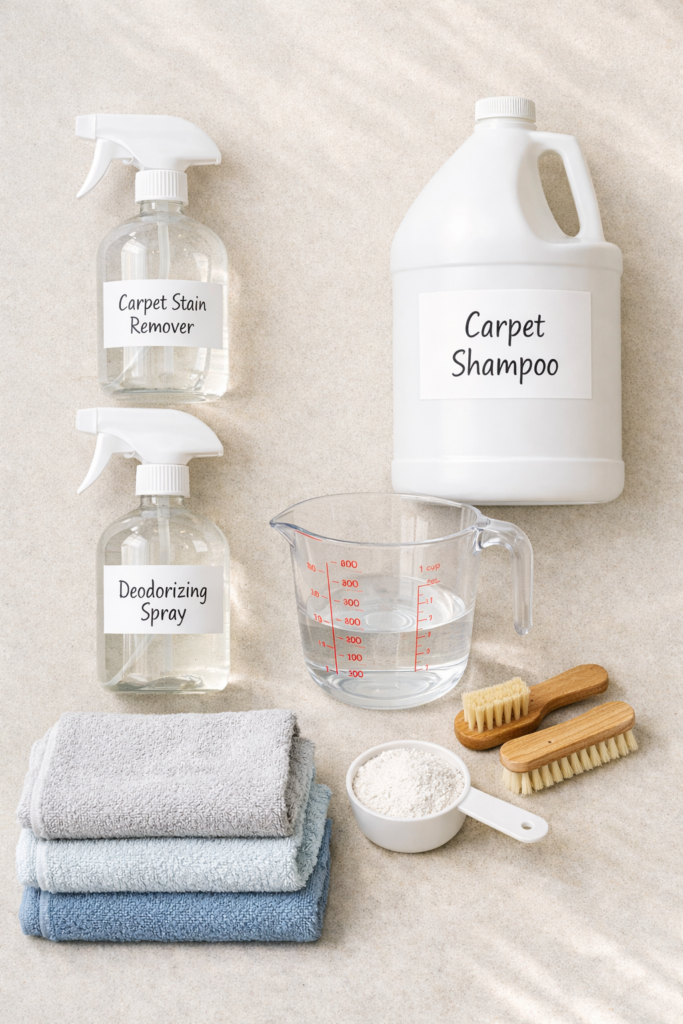
The cleaning solution you use can make or break your results. Too strong and you risk sticky residue that attracts dirt. Too weak and you end up working twice as hard for minimal payoff. The goal is to clean carpet effectively while leaving fibers fresh, soft, and residue-free.
Store-bought carpet cleaners are convenient and formulated for deeper cleaning, especially in high-traffic areas. Look for low-residue or rinse-free options if possible. DIY solutions can work well for light cleaning or maintenance, but they need to be mixed carefully. Overusing vinegar, soap, or baking soda often leaves buildup that makes carpet look dirty again faster.
Choose a solution based on how dirty your carpet actually is. Light refreshes need less product. Deep cleans benefit from purpose-made formulas designed for carpet fibers.
Solution breakdown:
- Commercial carpet shampoo works best for deep cleaning
- Low-residue formulas help prevent rapid re-soiling
- DIY solutions are best for light cleaning, not heavy buildup
Pro tips:
- More cleaner does not mean a cleaner carpet.
- Always dilute according to instructions to avoid residue.
- Rinse lightly if the product recommends it, even if the carpet looks clean.
Shop the Look
- Carpet Cleaning Solution
- Low Residue Carpet Shampoo
- Distilled White Vinegar
- Carpet Deodorizer Powder
5. How to Clean Carpet Without a Machine
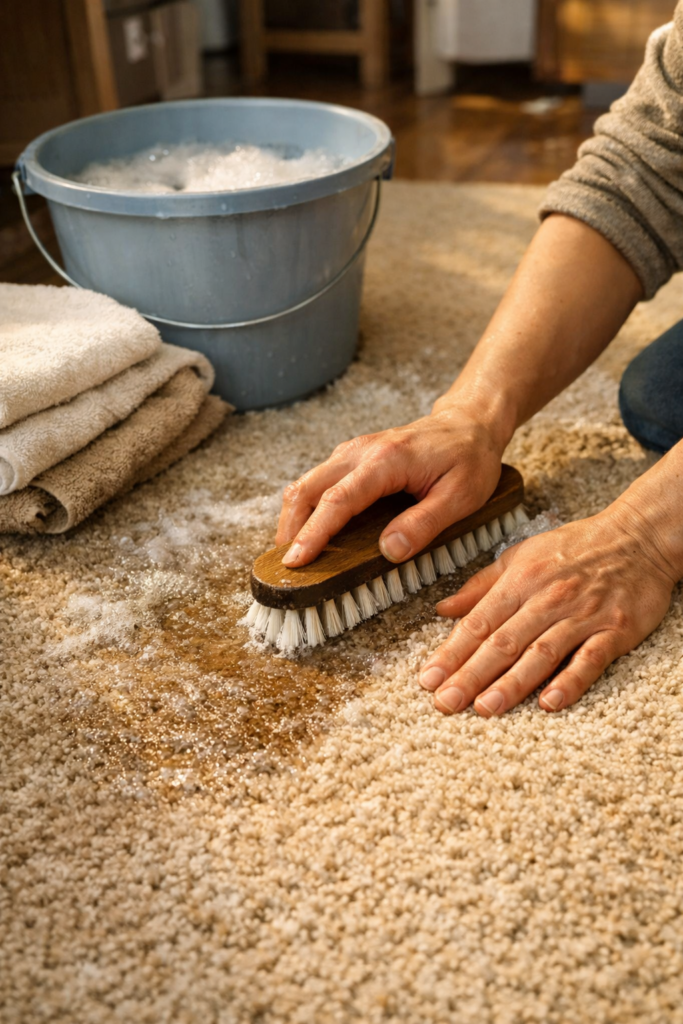
You can still get a deep, satisfying clean without owning or renting a carpet cleaner. This method works especially well for apartments, rentals, small rooms, and spot-focused refreshes. The key is controlled moisture and deliberate technique so you lift dirt instead of soaking the carpet.
Start by mixing your chosen carpet cleaning solution with warm water according to the label. Lightly dampen the carpet using a spray bottle or clean cloth rather than pouring water directly onto it. Work in small sections, gently scrubbing with a stiff brush to loosen dirt trapped in the fibers. Once the area looks evenly worked, blot with clean towels to absorb moisture and lifted grime.
Move slowly and repeat as needed. This approach takes a little patience, but it gives you far more control than a machine and helps prevent over-wetting, which is one of the biggest causes of lingering odors.
Manual cleaning steps:
- Lightly mist the carpet with cleaning solution
- Gently scrub in circular motions
- Blot thoroughly with clean towels
- Allow airflow while cleaning section by section
Pro tips:
- Use minimal water. Carpet cleans best when it is damp, not wet.
- Work in manageable sections so you can fully blot each area.
- Rotate towels often to avoid re-depositing dirt.
Shop the Look
6. Steam Cleaner Basics (When and How to Use One)
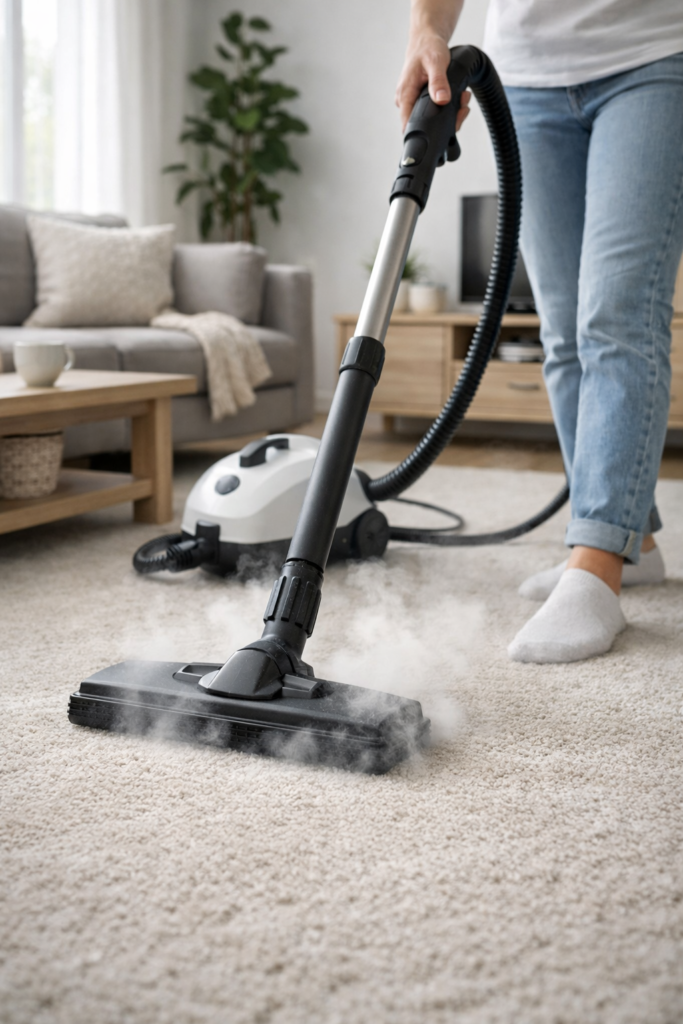
Steam cleaners get a lot of hype, but they work best in very specific situations. Steam uses high heat and minimal moisture to loosen dirt and sanitize carpet fibers, making it a good option for refreshing lightly soiled areas or tackling odors without chemicals. It is especially useful if you want to avoid detergents or have sensitivities to strong cleaning solutions.
That said, steam is not a cure-all. Heavily soiled carpet, greasy buildup, or set-in stains usually need a cleaning solution first. Steam works best as a maintenance tool or a follow-up after spot treatment, not as the only step in deep carpet cleaning. Always move slowly and allow the steam to penetrate the fibers before making another pass.
Used correctly, a steam cleaner can help lift remaining grime, refresh carpet texture, and speed up the overall cleaning process without oversaturating.
Steam cleaning basics:
- Best for light dirt, odors, and maintenance cleaning
- Use slow, controlled passes for even results
- Avoid lingering too long in one spot
Pro tips:
- Vacuum thoroughly before steaming so you do not trap debris.
- Check carpet manufacturer guidelines before using heat.
- Let the carpet cool and dry fully before walking on it.
Shop the Look
- Steam Cleaner for Carpet
- Handheld Steam Cleaner
- Steam Mop with Carpet Glider
- Distilled Water for Steam Cleaners
7. How Often You Should Clean Carpet
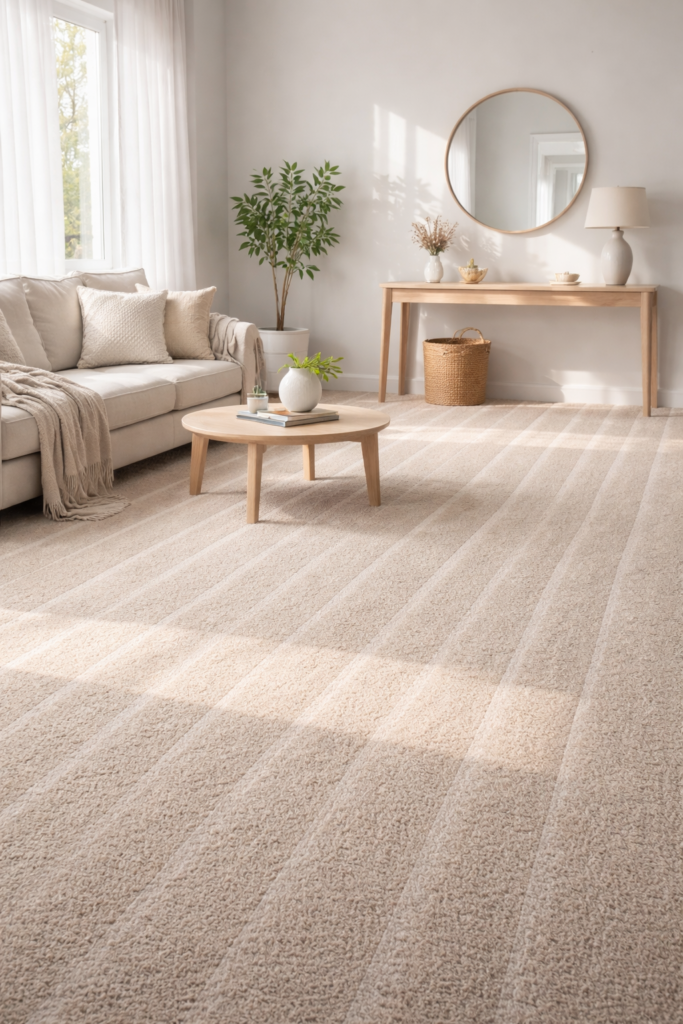
Keeping carpet clean is less about one big deep clean and more about consistency. How often you clean depends on how your home is actually used, not some generic rule. Homes with pets, kids, or heavy foot traffic need more frequent attention, while low-traffic rooms can go longer between deep cleans.
As a general baseline, high-traffic areas like living rooms, hallways, and stairs benefit from deeper cleaning every 3–4 months. Bedrooms and guest rooms can usually be cleaned 1–2 times a year. Spot-treat spills as they happen so stains and odors never get a chance to settle in. Regular vacuuming and occasional refresh cleans help extend the time between deep cleans and keep carpet looking newer longer.
Think of carpet cleaning as maintenance, not a rescue mission. Staying ahead of dirt is far easier than trying to undo months or years of buildup.
Cleaning frequency guide:
- High-traffic areas: every 3–4 months
- Homes with pets: every 2–3 months
- Low-traffic rooms: 1–2 times per year
- Spot cleaning: as needed, immediately
Pro tips:
- Increase frequency during allergy seasons or shedding periods.
- Refresh traffic lanes more often than entire rooms.
- A consistent routine keeps carpet fibers healthier and softer over time.
Clean Carpet That Actually Stays Fresh
Cleaning carpet at home does not have to feel overwhelming or complicated. When you follow a clear step-by-step process, prep properly, and use the right tools, you can refresh your carpet without hiring a pro or renting heavy equipment. The biggest difference comes from slowing down, treating stains intentionally, and choosing solutions that clean without leaving residue behind.
If you live with pets, keeping carpet fresh goes beyond surface cleaning. Odors can linger even after stains are gone, especially in high-traffic areas and favorite pet spots. For a deeper reset, make sure to read How to Eliminate Pet Odors and Keep Your Home Fresh, where I break down practical ways to tackle smells at the source and keep your entire home feeling clean long after laundry day.
Save this guide for your next deep clean and come back to it whenever your carpet needs a refresh.