Affiliate Disclosure – This post contains affiliate links. I may earn a small commission at no extra cost to you.
If your couch is starting to look a little dull, dusty, or just lived in, you’re not alone. Fabric sofas attract everything from crumbs to mystery stains, and somehow they always look dirtier right when guests are coming over. The good news is that you don’t need professional cleaning or harsh products to refresh your entire couch. I’ll walk you through exactly how to clean couch fabric safely, deeply, and in a way that actually makes it look new again. Let’s get your sofa back to its soft, clean, cozy self.
Know Your Fabric Type Before You Clean Anything
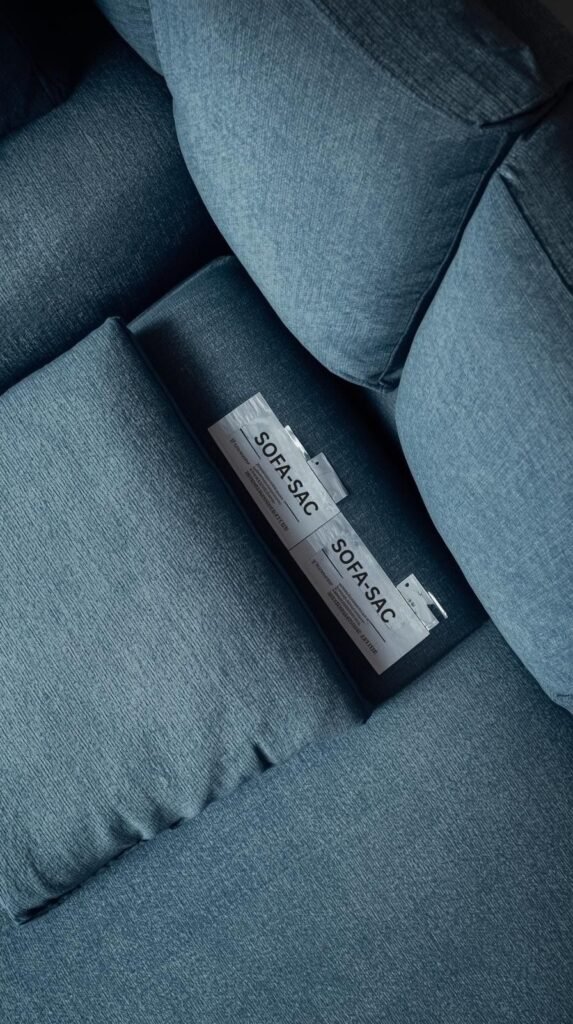
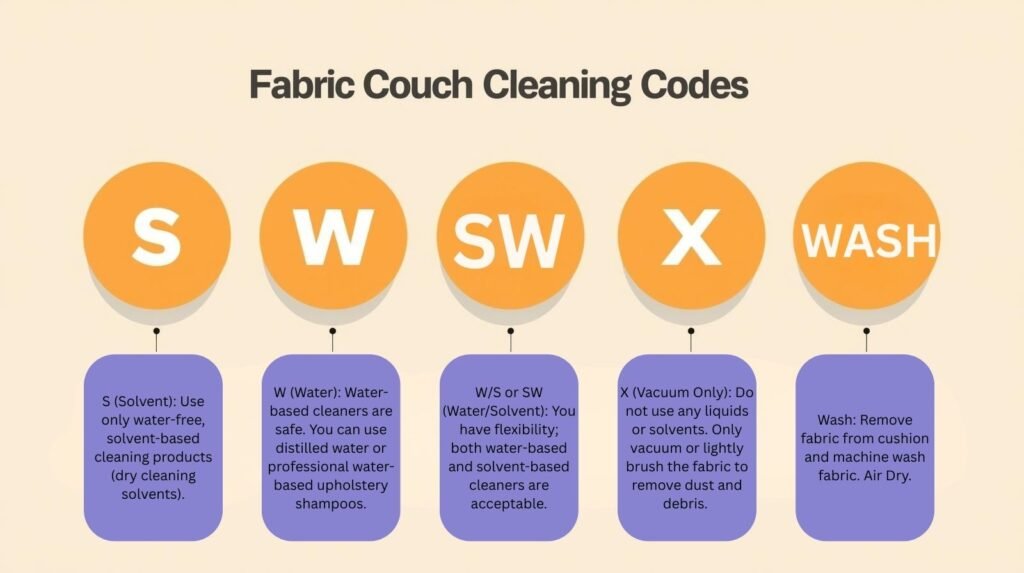
Before you grab the nearest cleaner, you need to know which products your couch can safely handle. Every sofa comes with a cleaning tag (usually hidden under a cushion) that tells you exactly what it’s made for. W means water-based cleaners are safe. S means solvent-only. W/S means you can use both. X means vacuum only. Understanding this quick code protects your fabric from water stains, fading, and texture damage.
Pro Tips
- Never oversaturate fabric even if it’s water-safe.
- Always test any cleaner in a hidden spot first.
Shop the Look
Vacuum the Couch Like You Mean It

Before you start deep cleaning, you need to remove everything sitting on the surface of your couch. Vacuuming lifts dust, crumbs, pet hair, and grit that can turn into mud once moisture hits the fabric. Use the upholstery attachment and work in slow, overlapping passes. Don’t forget the crevices, seams, and under the cushions. A solid vacuum session instantly makes the sofa look fresher and sets you up for a cleaner, streak-free finish.
Pro Tips
- Vacuum in both directions to lift trapped debris more effectively.
- Use a pet hair tool for fabrics that grab lint or fur easily.
Shop the Look
Treat Stains Before Deep Cleaning
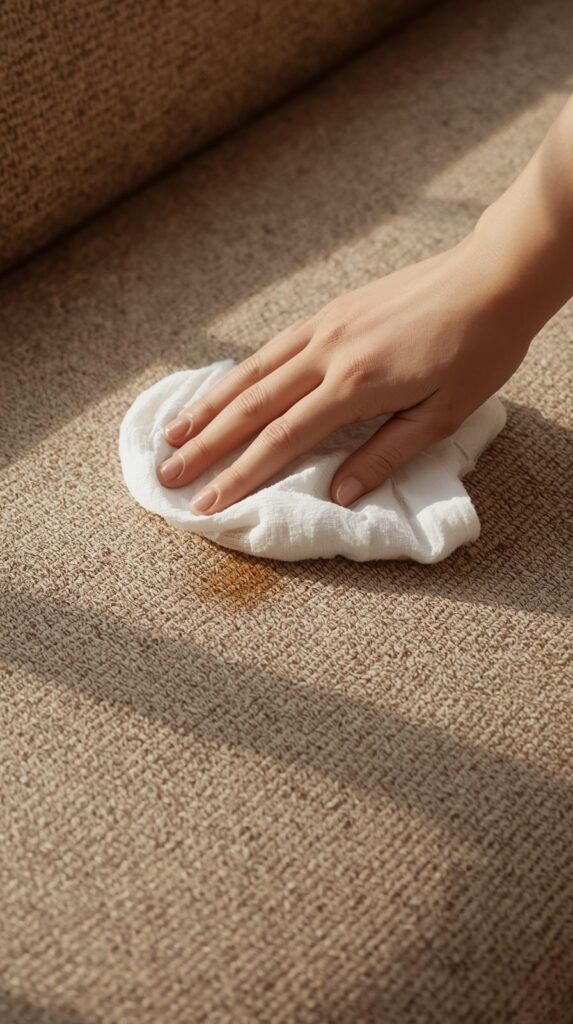
Spot-treating stains first makes your overall clean so much more effective. Different stains need different approaches, so match the method to the mess. Food spills respond well to mild soap and water on W-code fabrics, while oil stains benefit from a sprinkle of baking soda to absorb grease before blotting. For pet messes, enzyme cleaners break down odors and residue fast. The key is to always blot, never rub, so you don’t push stains deeper into the fabric.
Pro Tips
- For oil-based stains, apply baking soda first to absorb excess residue.
- Use white towels when blotting to avoid any accidental color transfer.
Shop the Look
DIY Fabric Cleaner for Water-Safe Sofas (W-Code)
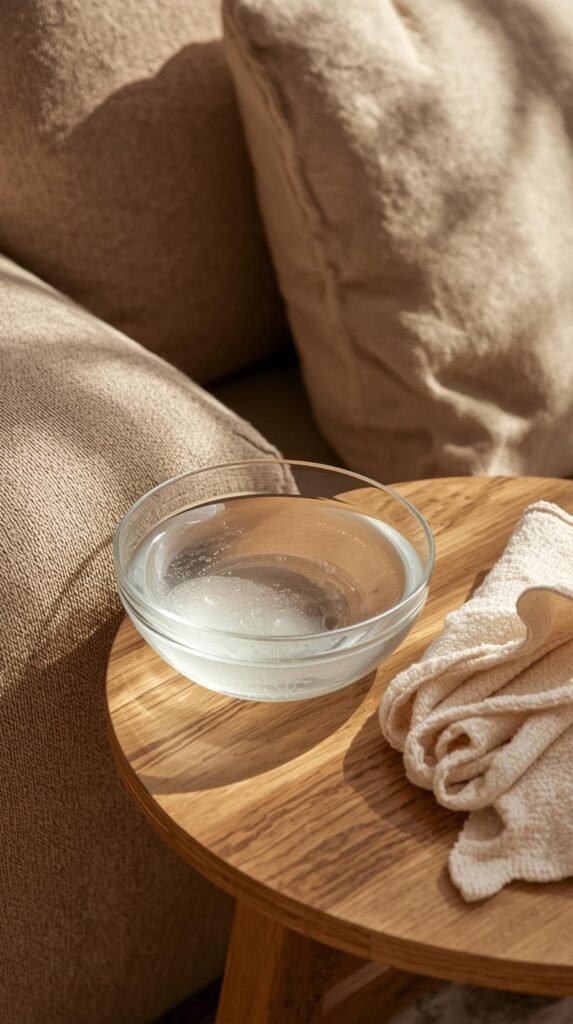
If your couch has a W on the cleaning tag, you’re in luck. These fabrics can safely handle gentle, water-based cleaning solutions that refresh the entire sofa without damage. Mix warm water with a drop of mild dish soap, or add a splash of white vinegar if you need extra deodorizing power. Lightly dampen a microfiber cloth and work in small circles, focusing on one section at a time so everything dries evenly. Finish by blotting with a dry cloth to lift moisture and keep the fabric smooth.
Pro Tips
- Foam your cleaner in a dispenser to avoid over-wetting the fabric.
- Always work in small sections to prevent streaks.
Shop the Look
How to Clean Solvent-Only Fabrics (S-Code)
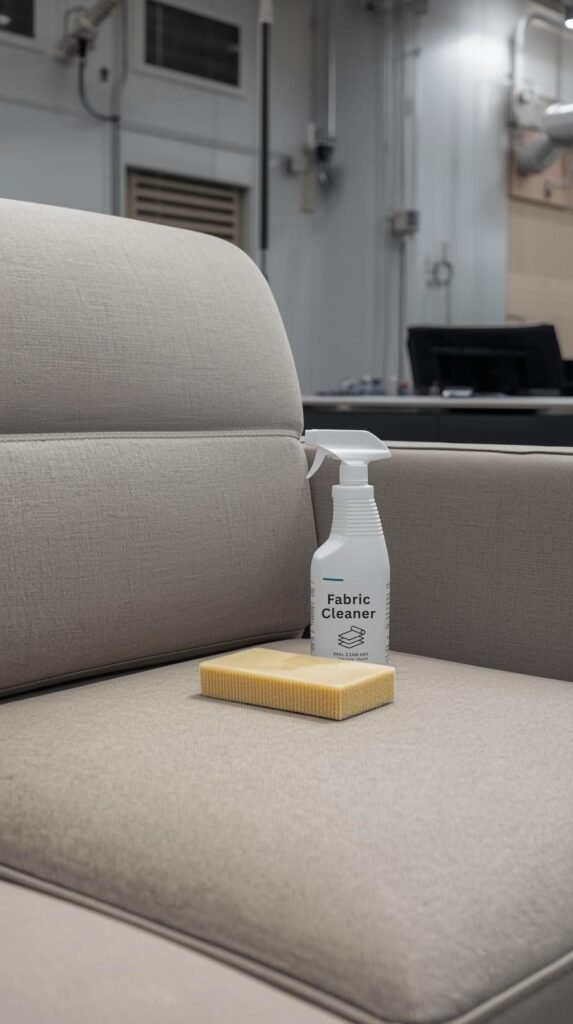
If your sofa has an S on the tag, skip anything water-based and stick to solvent cleaners only. These fabrics react poorly to moisture, which can leave behind water stains or stiff patches. Use a dry-cleaning solvent and apply it sparingly with a dry sponge or soft brush, working gently across the surface. Keep the space well-ventilated as you clean, and give the fabric time to air out completely before sitting.
Pro Tips
- Apply solvent cleaners lightly to avoid buildup or residue.
- Keep windows open for airflow since solvent products need ventilation.
Shop the Look
Deep Clean with a Fabric Upholstery Machine (Optional but Powerful)
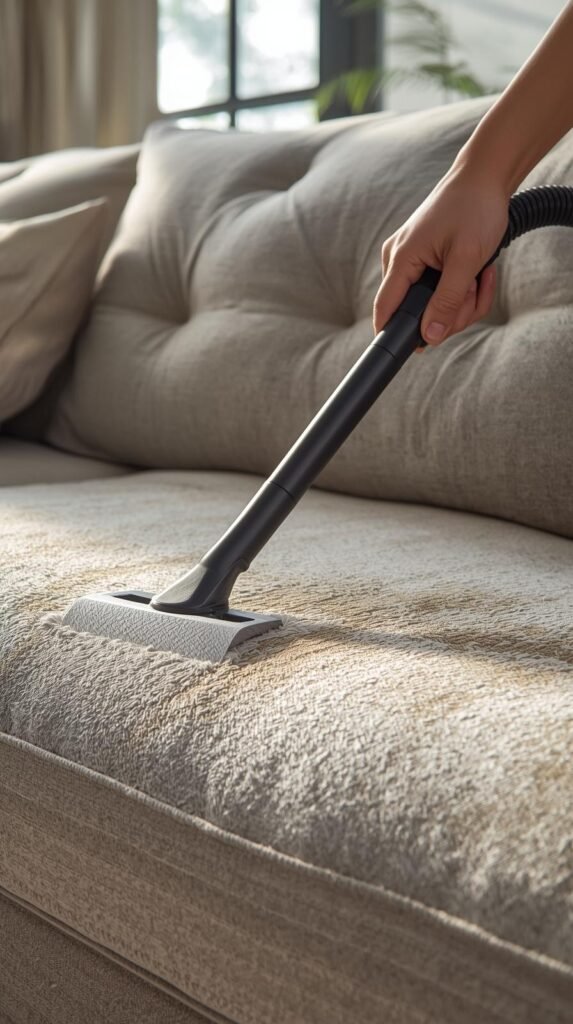
If your couch needs a full refresh, an upholstery cleaner can make a huge difference. These machines spray a gentle solution into the fabric, then immediately extract the dirty water back out, lifting grime that regular cleaning can’t reach. They work best on W and W/S fabrics, giving you that satisfying “look at all the dirt that came out” moment. Move slowly, avoid soaking the material, and always extract more than you spray to keep dry times fast and streak-free.
Pro Tips
- Pull more water out than you put in to prevent water marks.
- Use a small fan afterward to speed up drying.
Shop the Look
Deodorize and Freshen Your Couch Naturally
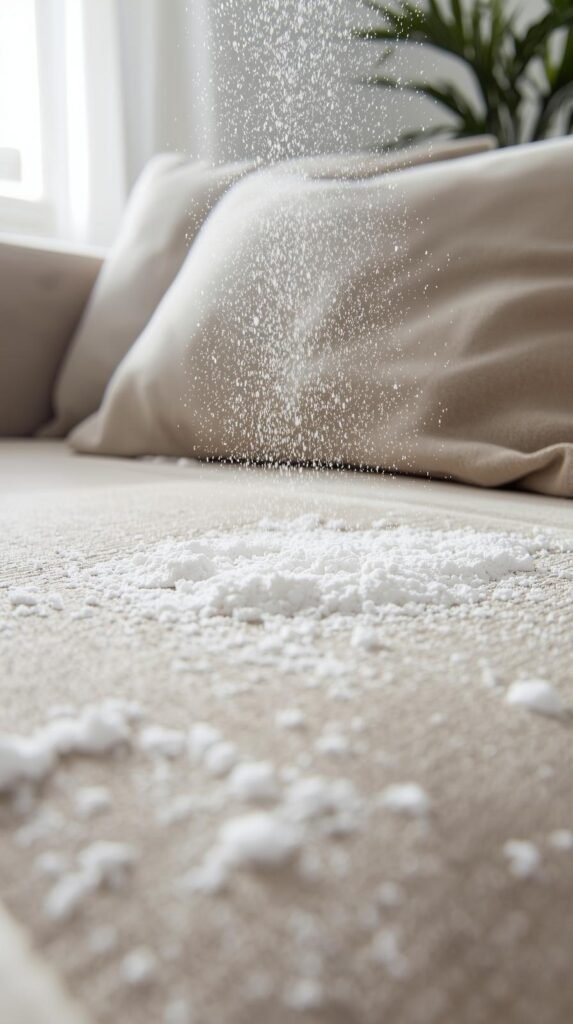
Even after a deep clean, fabric couches can hold onto odors from pets, spills, or everyday use. A simple sprinkle of baking soda across the cushions and seams works wonders for neutralizing smells. Let it sit for at least an hour — overnight is even better. For W-code fabrics, a light mist of vinegar and water helps freshen the fibers, while enzyme sprays tackle lingering pet-related odors. Once everything dries, vacuum the couch thoroughly to lift away the powder and reveal a fresher, cleaner scent.
Pro Tips
- Let baking soda sit overnight for stronger odor removal.
- Avoid vinegar sprays on S-only fabrics to prevent spotting.
Shop the Look
Final Grooming: Fluff, Steam, and Restore the Texture
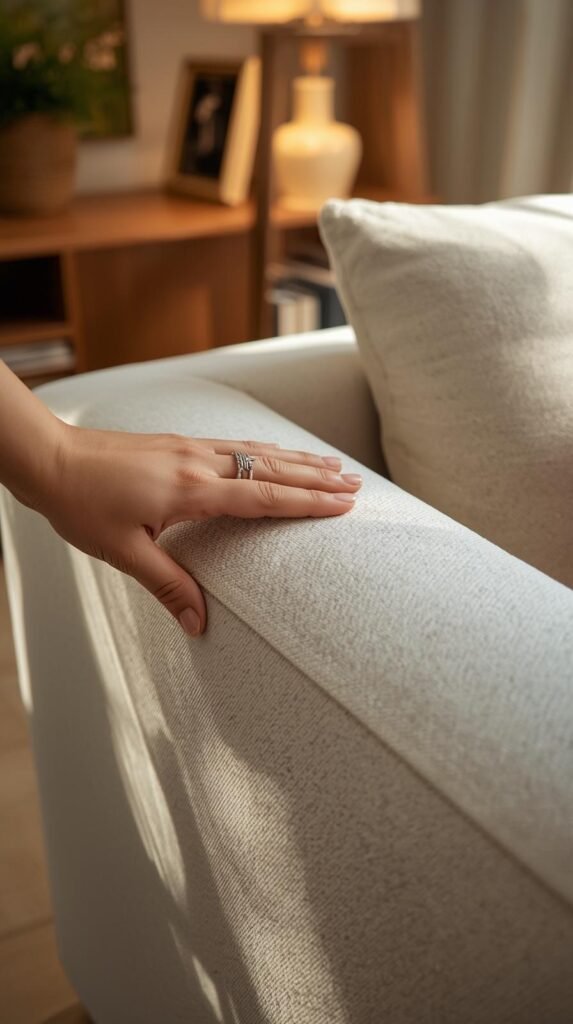
Once your couch is clean, this last step brings back that polished, fresh-from-the-showroom look. Use a soft upholstery brush to lift the fabric nap and smooth out any areas that look flat. Light steaming works well on W-code fabrics to release wrinkles and refresh the texture, but keep the steamer a few inches away to avoid damp spots. Fluff and rotate the cushions to help them hold their shape, and your sofa will instantly look fuller, softer, and more inviting.
Pro Tips
- Brush the fabric before and after steaming to restore texture.
- Rotate cushions weekly to keep them looking even and prevent dents.
Shop the Look

Cleaning your fabric couch doesn’t have to feel overwhelming. With the right approach and a few simple tools, you can lift stains, remove odors, refresh the fabric, and make your sofa look and feel brand new again. Whether you prefer DIY methods or love the power of an upholstery machine, these steps give you everything you need for a cleaner, cozier living room. And if you’re ready to keep the momentum going, check out my full guide on Simple Winter Home Refresh Ideas After Christmas for more easy ways to reset your space.