Affiliate Disclosure – This post may contain affiliate links. That means if you purchase through my links, I may earn a small commission at no extra cost to you.
You bought the Cricut. You started experimenting with Cricut designs. Maybe you even listed a few products and felt that spark of possibility. But if your Cricut business feels inconsistent, slow, or frustrating, you are not alone. Most beginners make the same avoidable mistakes, and they quietly stall growth before it even begins.
If you want your Cricut business ideas to turn into real income, you have to shift from hobby thinking to business strategy. Let’s start with the mistake that holds almost everyone back.
1. Trying to Sell Everything at Once
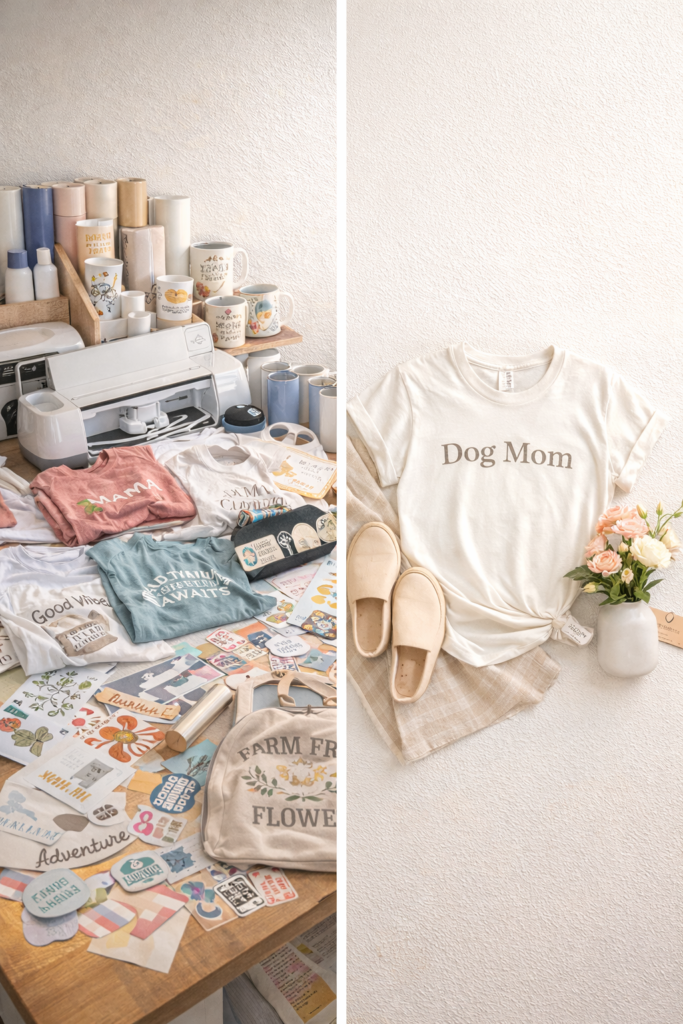
When beginners launch a Cricut business, they often try to sell shirts, mugs, tumblers, decals, baby onesies, tote bags, wedding favors, and seasonal Cricut projects all at the same time. It feels ambitious and productive. In reality, it creates confusion.
Customers do not remember shops that try to do everything. They remember specialists. When your brand has no clear focus, your Cricut crafts to sell blend into the background instead of standing out.
Solution
Choose one niche and commit to it. Instead of selling “everything Cricut,” focus on a defined audience or product category. For example, teacher shirts, small business packaging decals, bridal party gifts, or faith-based home decor.
Build authority inside one lane first. Once you are known for something specific and consistent sales are happening, then you can expand your Cricut projects strategically.
2. Underpricing Your Cricut Crafts to Sell

One of the fastest ways to sabotage your Cricut business is pricing based only on material cost. Beginners often think lower prices will attract more buyers, but cheap pricing attracts bargain shoppers, not loyal customers. When you ignore your time, design work, machine wear, packaging, and fees, your profit disappears quickly.
A Cricut business is not just about making Cricut projects. It is about building something sustainable.
Solution
Calculate your full cost per item including supplies, labor, packaging, platform fees, and payment processing fees. Then add a profit margin that actually supports growth. Price for long-term sustainability, not quick validation.
If your branding and quality are strong, customers will pay for value.
Pro Tips
• Pay yourself an hourly rate, even if you are just starting.
• Do not compare your prices to hobby sellers who are not running a real business.
3. Copying Trending Cricut Designs Without Strategy
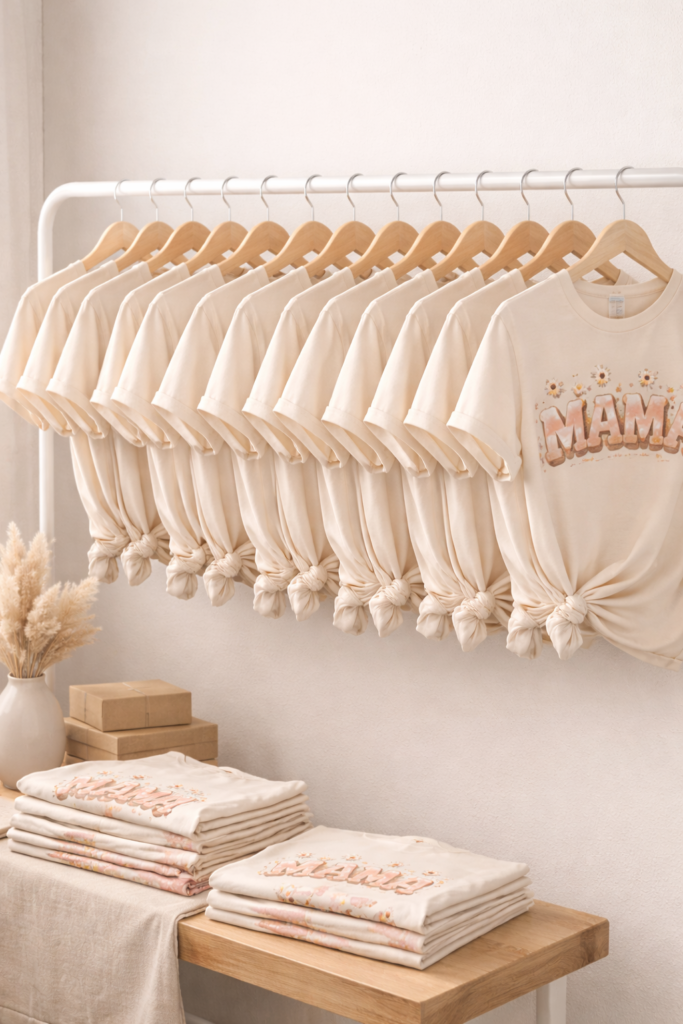
It is tempting to scroll Pinterest, see a viral design, and immediately recreate it. But by the time most beginners jump on a trend, the market is already saturated. Dozens or even hundreds of sellers are offering the same style, font, or phrase.
Chasing trends without strategy turns your Cricut business into a follower instead of a leader. That makes it harder to stand out and harder to price confidently.
Solution
Use trends as direction, not duplication. Study what is popular, then adapt it to serve a specific audience or niche. Instead of copying a trending teacher shirt, create a variation tailored to kindergarten teachers or special education teachers. Make the design more specific and more intentional.
Original positioning builds longevity.
Pro Tips
• Check how many similar listings already exist before creating a design.
• Balance trendy Cricut designs with timeless options that sell year-round.
4. Ignoring Branding
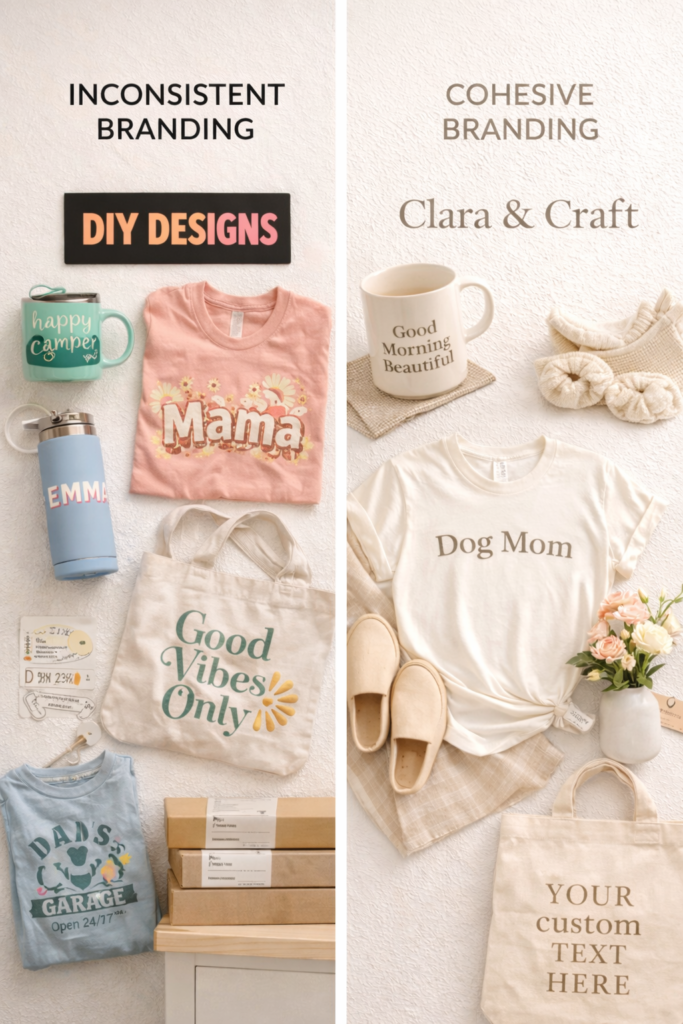
Random fonts, inconsistent color palettes, and mismatched product photos make your Cricut business look unpolished. Even strong Cricut designs lose value when your shop feels scattered. Customers make fast decisions based on visual trust.
If your branding looks inconsistent, buyers hesitate. And hesitation kills conversions.
Solution
Choose a cohesive visual identity and stick to it. Define your brand colors, font pairings, photo style, and overall vibe. Whether your aesthetic is minimal, bold, neutral, or playful, every listing should feel like it belongs to the same brand.
Consistency builds authority and higher perceived value.
Pro Tips
• Limit your brand to two or three core colors.
• Use the same lighting setup for all product photography.
5. Not Testing Your Cricut Projects Before Selling

Nothing damages a new Cricut business faster than poor product quality. If a shirt cracks after one wash or a decal peels within days, customers will leave reviews that are hard to recover from. Beginners often rush to launch without properly testing their Cricut projects in real-life conditions.
Excitement is not a quality control system.
Solution
Before listing any product, create test samples and use them yourself. Wash the apparel multiple times. Apply decals to different surfaces. Test durability, adhesion, and finish. Refining your process before selling protects your reputation and builds confidence in your Cricut crafts to sell.
Pro Tips
• Keep a personal sample of every product style you release.
• Test multiple material brands to find the most reliable option.
6. Choosing the Wrong Cricut Business Ideas

Not every creative idea is profitable. Some Cricut business ideas look fun and trendy but have little real demand. Beginners often create inventory based on what they personally like instead of what customers are actively searching for.
A Cricut business built only on personal preference can quickly stall.
Solution
Validate demand before investing time and materials. Research Etsy search results, Pinterest trends, and seasonal buying patterns. Look for products that people consistently search for, not just ones that look cute on social media.
Let data guide your Cricut projects, not emotion.
Pro Tips
• Check how many listings already exist and how recently they sold.
• Focus on evergreen products that sell year-round, not just seasonal spikes.
7. Poor Product Photography
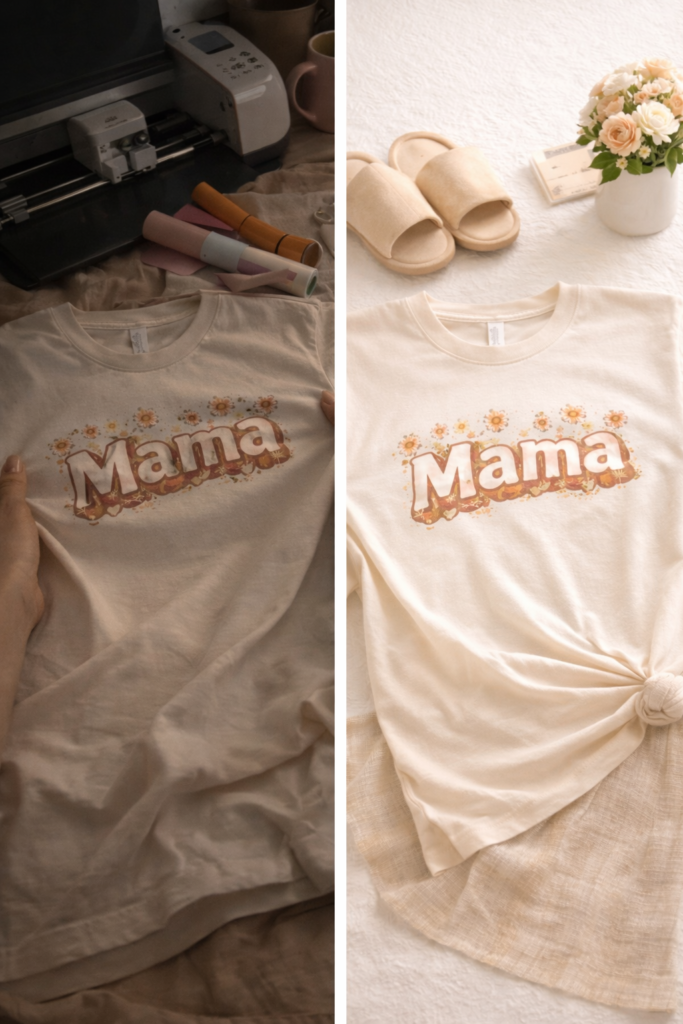
You can have incredible Cricut designs, but if your photos are dark, cluttered, or inconsistent, buyers will scroll past. Online shoppers cannot touch or feel your product. Photography becomes the deciding factor.
Blurry images and distracting backgrounds lower perceived value instantly and make your Cricut crafts to sell look amateur.
Solution
Use bright natural light, clean backgrounds, and consistent styling. Show scale, texture, and real-life use so customers can imagine owning it. Your photos should communicate quality before a customer even reads the description.
Pro Tips
• Photograph near a window during the brightest part of the day.
• Use simple, neutral backdrops to keep the focus on your product.
8. Not Understanding Profit Margins
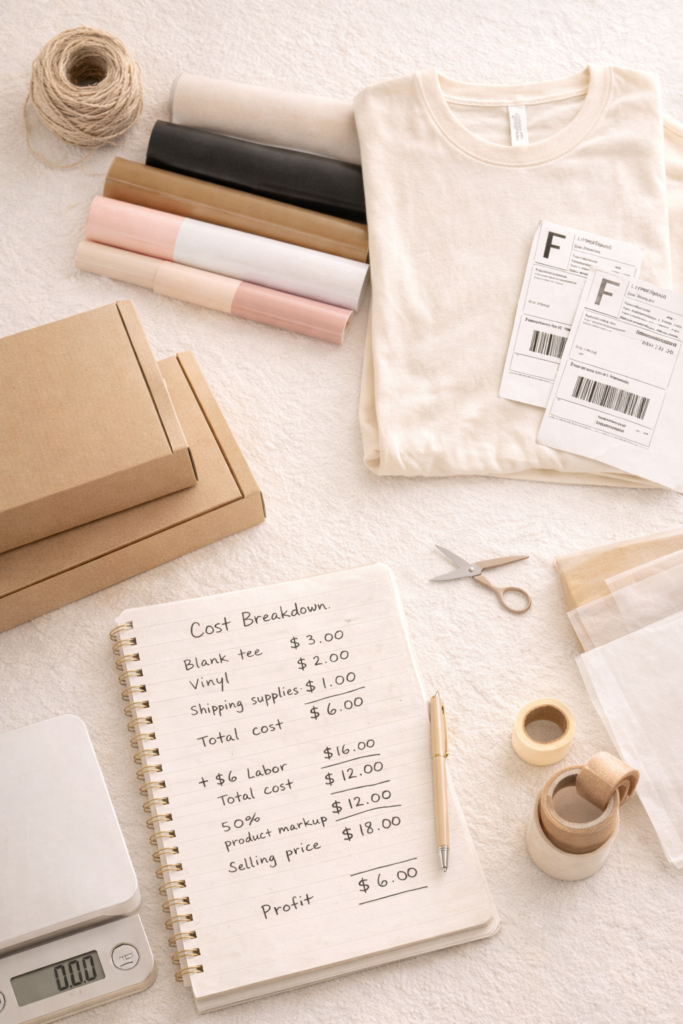
Many beginners celebrate sales without realizing they are barely making money. Revenue feels exciting, but profit is what sustains a real Cricut business. When you ignore shipping costs, packaging, fees, and material waste, your margins shrink quickly.
A busy shop that is not profitable is just an expensive hobby.
Solution
Track every expense tied to your Cricut projects, including materials, failed cuts, packaging supplies, and transaction fees. Calculate your true cost per item, then build pricing around a healthy margin that allows reinvestment and growth.
Clarity around numbers gives you control.
Pro Tips
• Aim for at least a 40 to 60 percent profit margin on handmade products.
• Review your pricing monthly and adjust as supply costs change.
9. Ignoring Legal and Licensing Rules
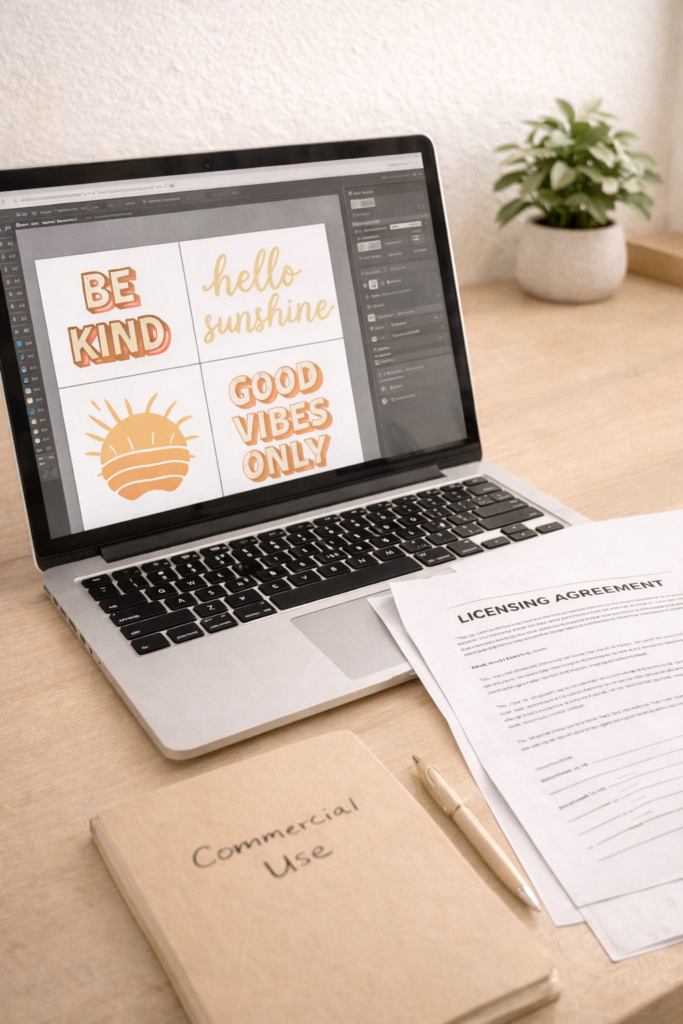
Using copyrighted quotes, sports logos, celebrity names, or trademarked phrases in your Cricut designs can get your listings removed fast. Many beginners assume that if a phrase is popular online, it is free to sell. That is not how licensing works.
One mistake here can shut down your Cricut business before it ever gains traction.
Solution
Only sell original designs or graphics that include commercial use rights. Read font and design licensing terms carefully before using them in products you plan to sell. When in doubt, create your own artwork or purchase proper commercial licenses.
Protecting your business legally protects your income long term.
Pro Tips
• Avoid brand names, sports teams, and copyrighted characters completely.
• Keep proof of commercial licenses saved and organized.
10. Skipping Customer Experience
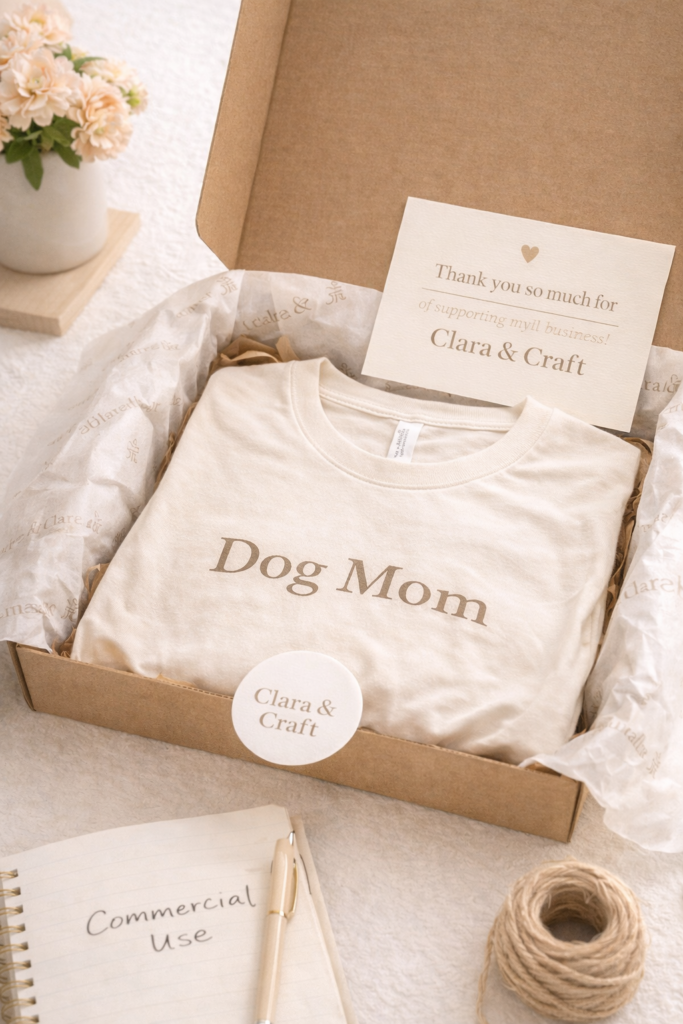
In a competitive Cricut business, the product is only part of the equation. Slow responses, unclear shipping timelines, or careless packaging can turn a great design into a negative review. Customers remember how you made them feel just as much as what you sold them.
A weak customer experience quietly limits repeat sales.
Solution
Create a simple but polished system for communication, packaging, and fulfillment. Set clear processing times, respond promptly to messages, and make your packaging feel intentional. Even small touches can elevate your Cricut crafts to sell and build loyalty.
Professionalism builds trust.
Pro Tips
• Include a thank-you insert with care instructions.
• Set automated responses to acknowledge customer messages quickly.
11. Trying to Grow Without Marketing
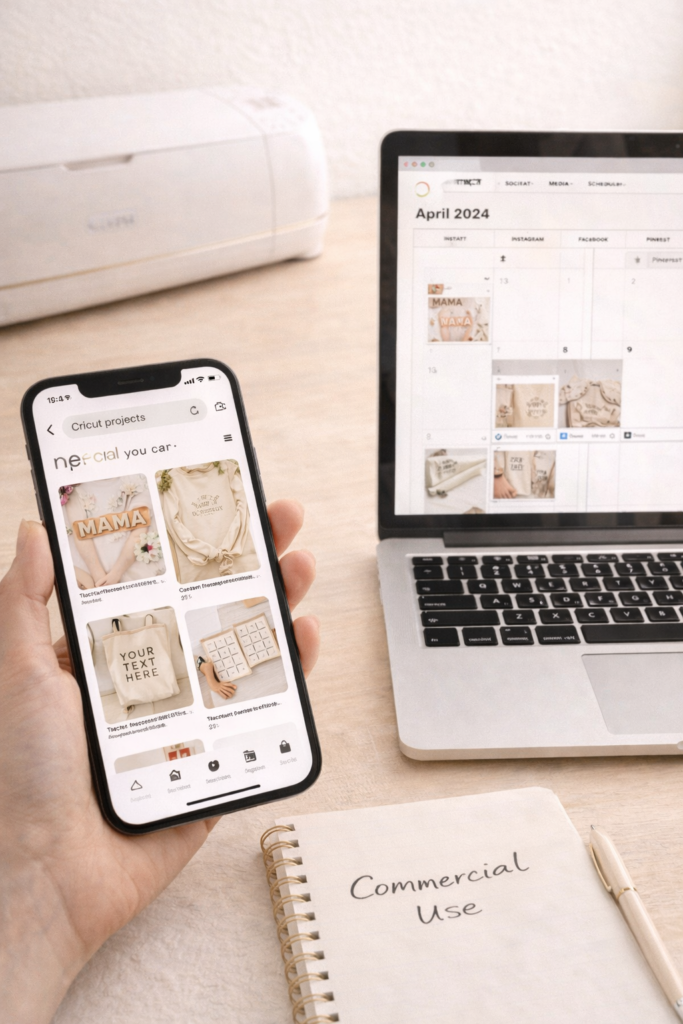
Listing your products and hoping buyers find them is not a strategy. A Cricut business needs consistent visibility to grow. Without marketing, even strong Cricut projects will sit unnoticed.
Traffic is not automatic. It is created.
Solution
Choose one or two platforms and show your products consistently. Pinterest works especially well for Cricut business ideas because people actively search for inspiration there. Short-form video, process clips, and before-and-after transformations also build trust and authority over time.
Visibility compounds when you stay consistent.
Pro Tips
• Repurpose one product into multiple content pieces.
• Use keyword-rich titles and descriptions in every listing and post.
12. Treating It Like a Hobby Instead of a Business

When you treat your Cricut business casually, growth stays casual. Posting inconsistently, guessing at pricing, and creating products randomly leads to unpredictable income. Passion is important, but structure is what builds momentum.
A hobby creates occasionally. A business operates intentionally.
Solution
Set monthly revenue goals and track performance. Create a simple product launch calendar and content schedule so your Cricut projects support real growth. Make decisions based on data, not mood.
When you shift your mindset, your results shift with it.
Pro Tips
• Review your sales and traffic numbers at the end of every month.
• Plan seasonal product launches at least 60 days in advance.
Build Smarter, Grow Faster

Building a successful Cricut business is not about owning the newest machine or chasing every trending design. It is about strategy, positioning, quality, and consistency. When you avoid these beginner mistakes, your Cricut projects stop feeling random and start functioning like real assets.
If you are serious about turning your creativity into income, refine your niche, strengthen your branding, protect your margins, and commit to long-term growth. Small improvements compound quickly when you operate with intention.
And if you are still exploring what direction to take, read Everything You Can Make with a Cricut Machine for more inspiration and profitable ideas to expand your Cricut business the smart way.